Equipment Rack for Wrangler JL

In Curb Weight I’ve spoken about dividing the weight between the vehicle and an extreme off-road trailer, and how the vehicle was modified to be able to pull the trailer successfully. In this post I’ll cover how I’ve divided the types of load between the vehicle and trailer, and how I’ve built an equipment rack to support the load being carried by the vehicle.

I must mention that a key requirement for the vehicle build was that any overlanding related modifications had to be entirely reversible, and removable. The rear seat needed to be able to be refitted so that the 2 door Rubicon could carry 4 people if needed. So my equipment rack must easily removable too.

Vehicle Contents

I would like the vehicle to be able to leave the trailer at a “base camp” and still have the required equipment to sustain a day (or in an emergency several days) away from the camp site. This dictates what I need to build into the vehicle, and what I can leave in the trailer.

The vehicle must therefore contain the following items.

  • Drinking Water – Potable water either 20 litres or 40 litres depending on the requirements.
  • Refrigeration – A 40 litre refrigerator, sufficient to hold frozen or cooled items depending on the length of the passage.
  • Power – 12V and 240V AC systems to power the refrigerator, cooking, communications, and tools.
  • Food Preparation – using 240V AC induction cooking, kettle, and coffee machine.
  • Food – Chilled and dry food sufficient to cover the entire passage.
  • Clothing – Warm clothing, sufficient to overnight should needs dictate.
  • Communications, and Electronics – Both UHF and satellite communications system for regular and emergency use.

Based on the item lists I’ve prepared the weight of this equipment and stores should be approximately 260kg (including trailer ball weight), and this can be easily carried by the Wrangler JL 2 Door.

Trailer Contents

The Stockman Pod Extreme trailer has a number of well separated spaces, including two drawers and a large tool box, which allow it to safely store lots of smaller items in boxes without too much movement.

The trailer will carry the things that don’t need to go in the vehicle, and either too heavy or too bulky to consider putting in the vehicle.

  • Fuel – In Jerry Cans from 40 litres to 200 litres, depending on the length of the passage.
  • Water – At least 65 litres of possibly non-potable water, carried in the integrated water tank
  • Accommodations – Both a James Baraud Evasion roof top tent, and/or a Terka tent and stretcher bed, providing options for easy overnight or comfortable base camp builds. Also a 3m x 3m gazebo to provide shade and light rain protection as needed.
  • Furniture – Folding table and camp chairs.
  • Gas Bottles and Food Preparation – Including 2 burner gas stove for food preparation.
  • Large Tools and spare parts – To support repair of moderately major items, and maintenance of the vehicle and trailer.
  • Recovery Equipment – Larger items stored on the trailer, as most recoveries will involve the trailer and necessary items can be moved into the vehicle if needed.
  • Toilet and Hot Water System – To provide hot water for base camp washing and showers, and toilet to provide a bit of camping comfort.
  • Clothing – Additional clothing and linen as required.

Basic Equipment Rack Design

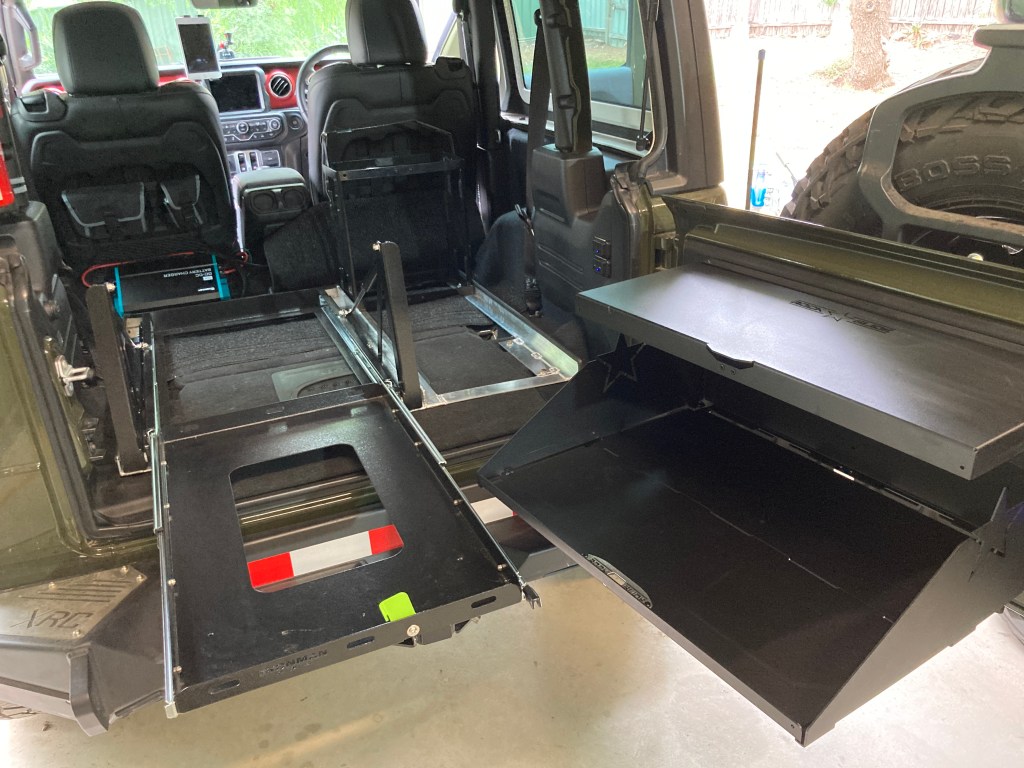
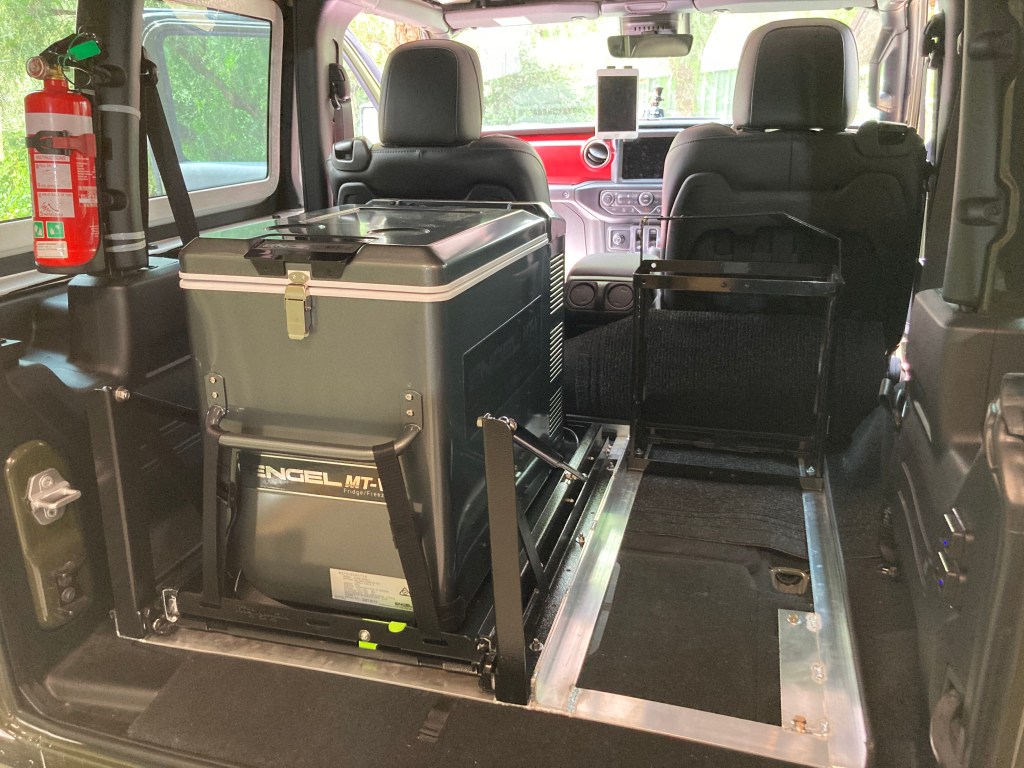
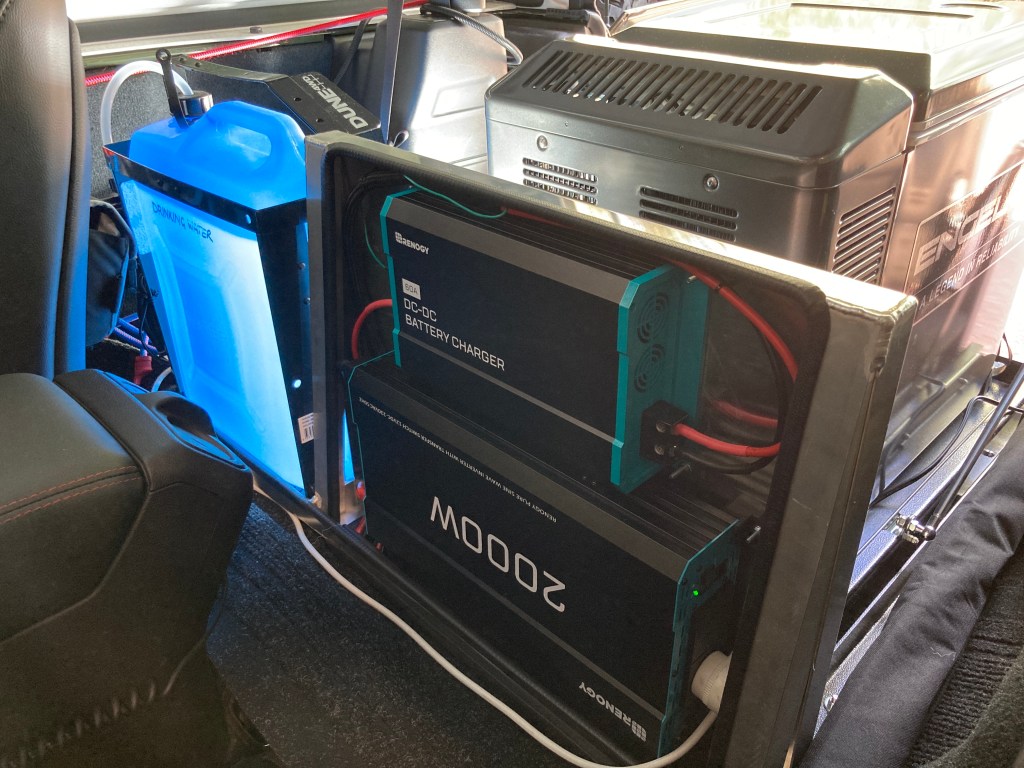
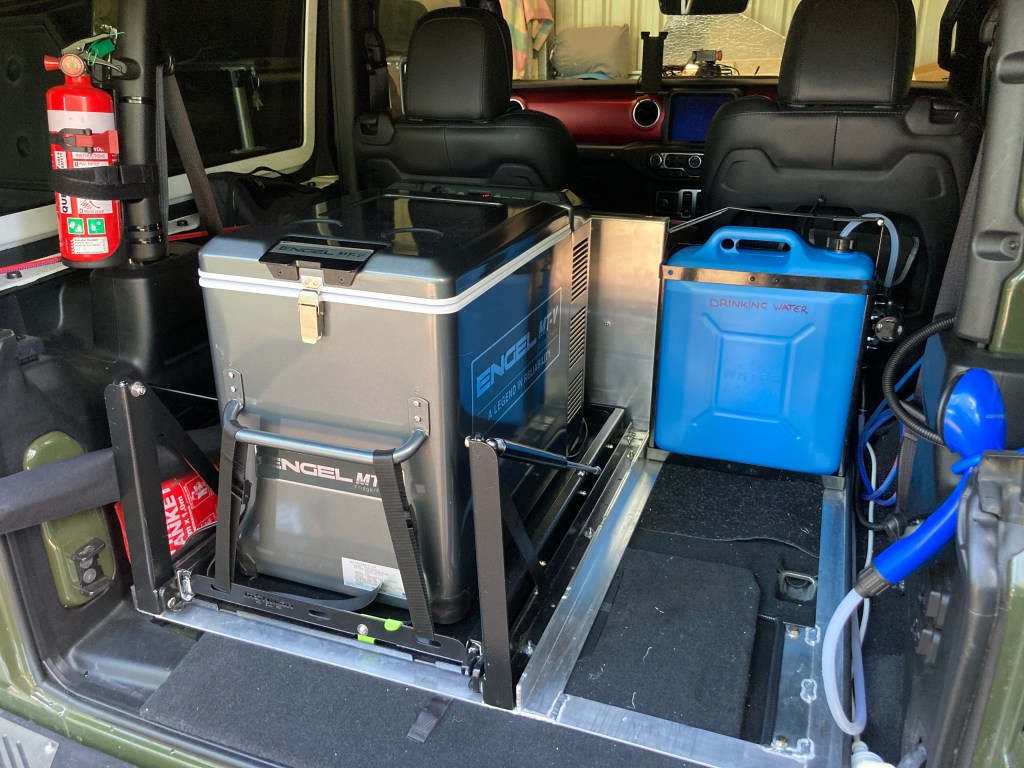
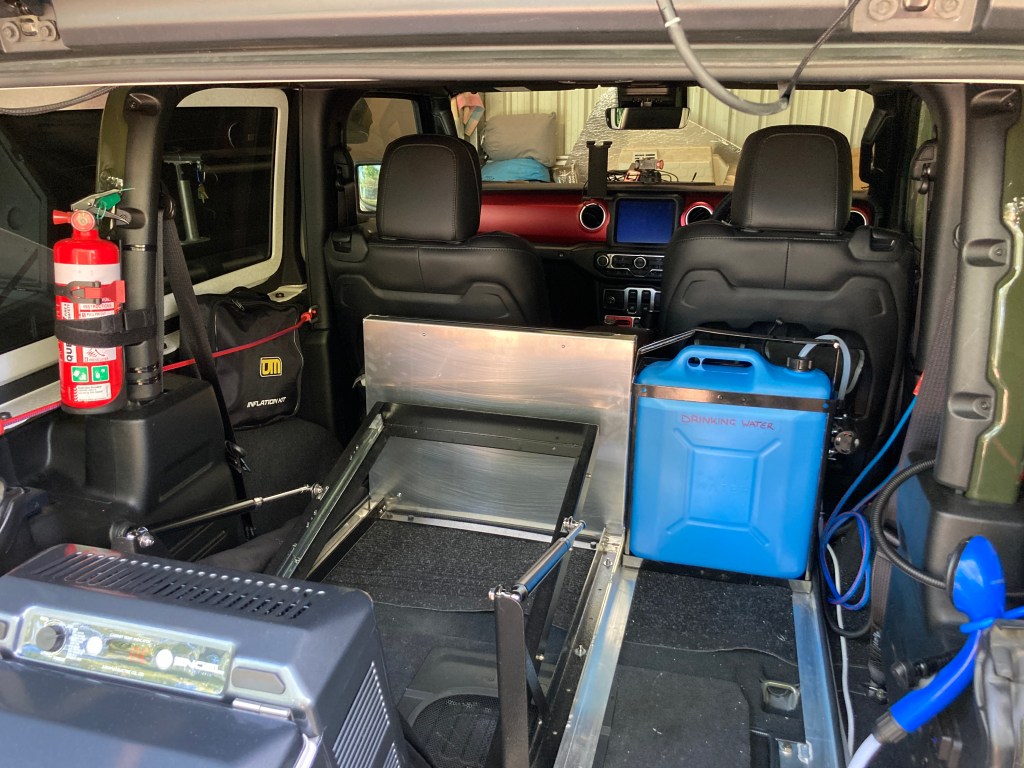
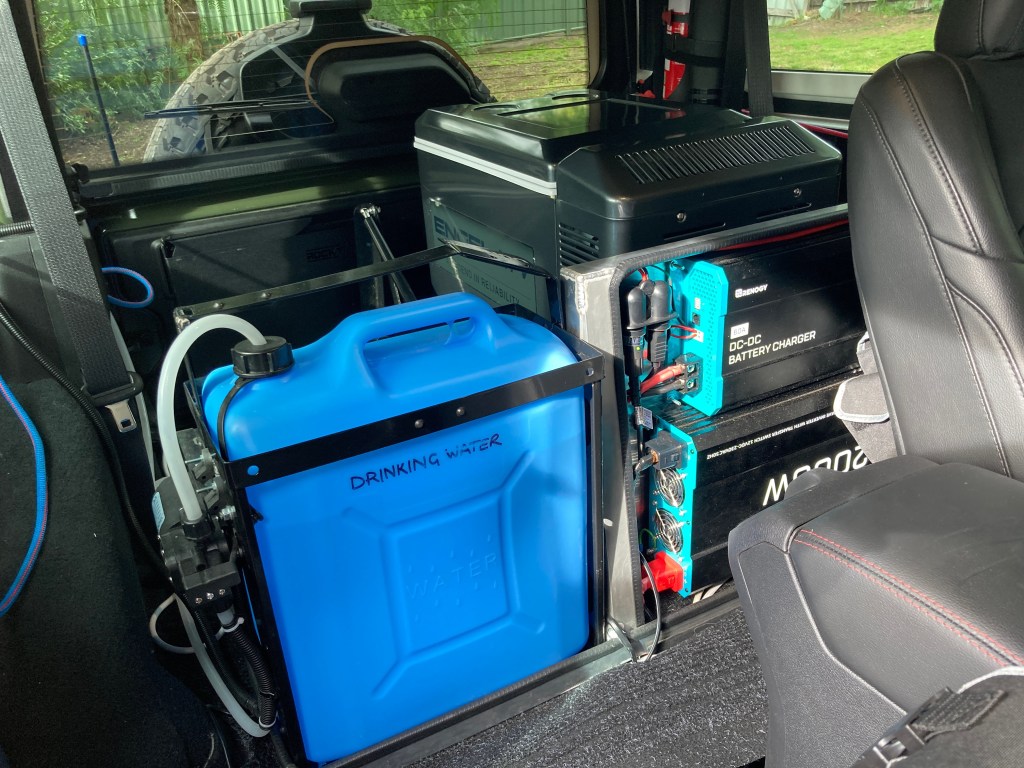
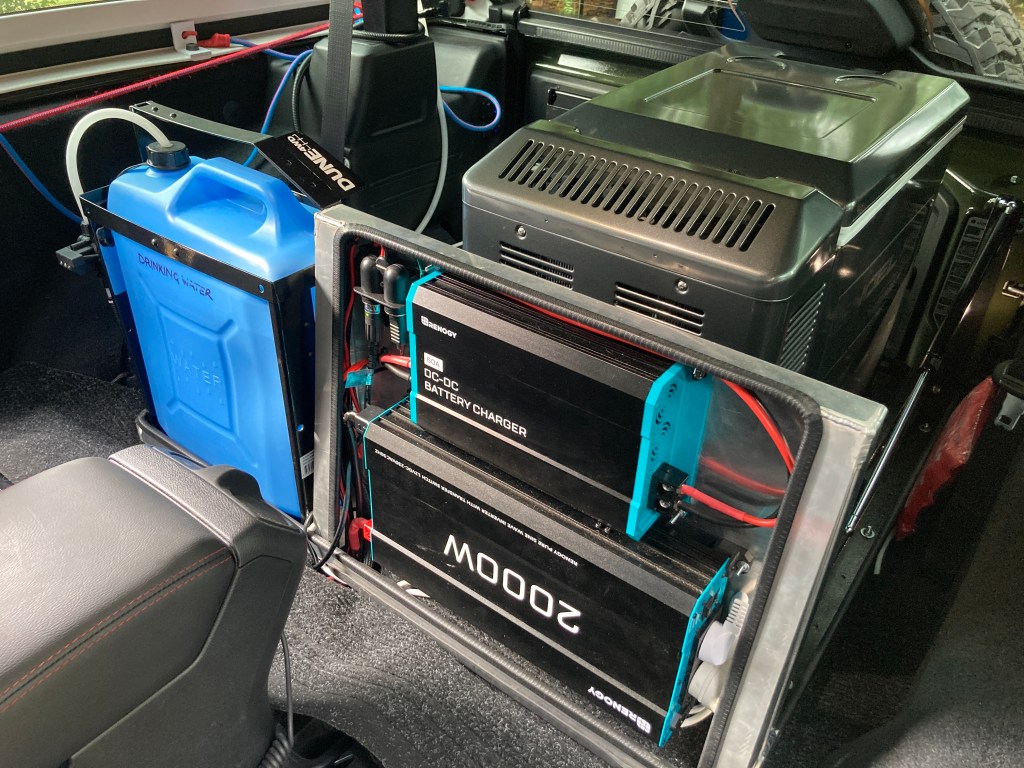
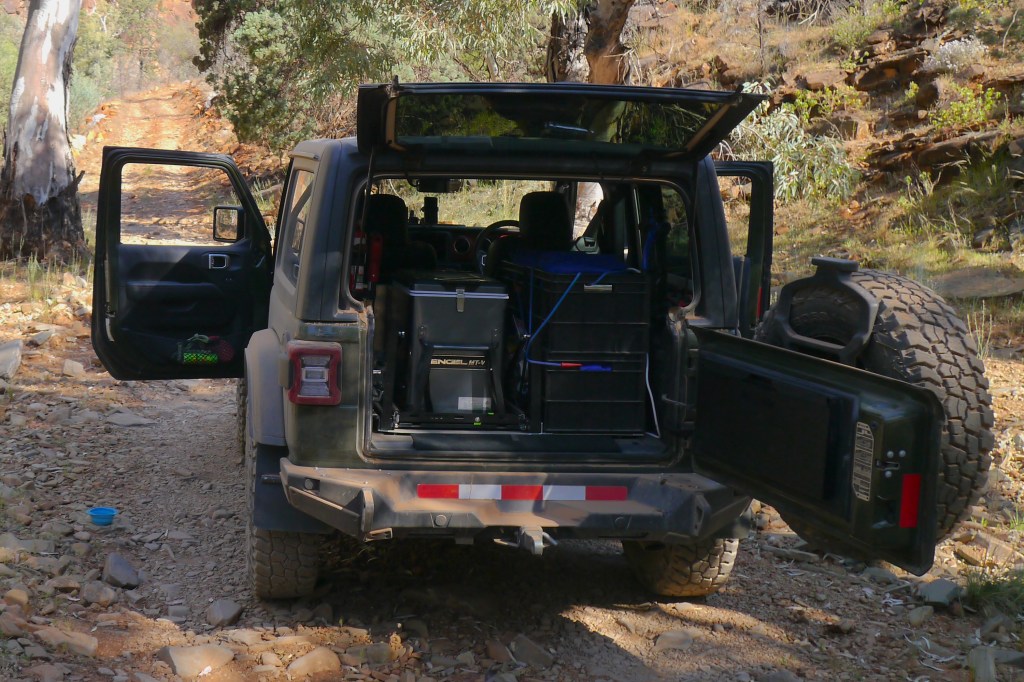
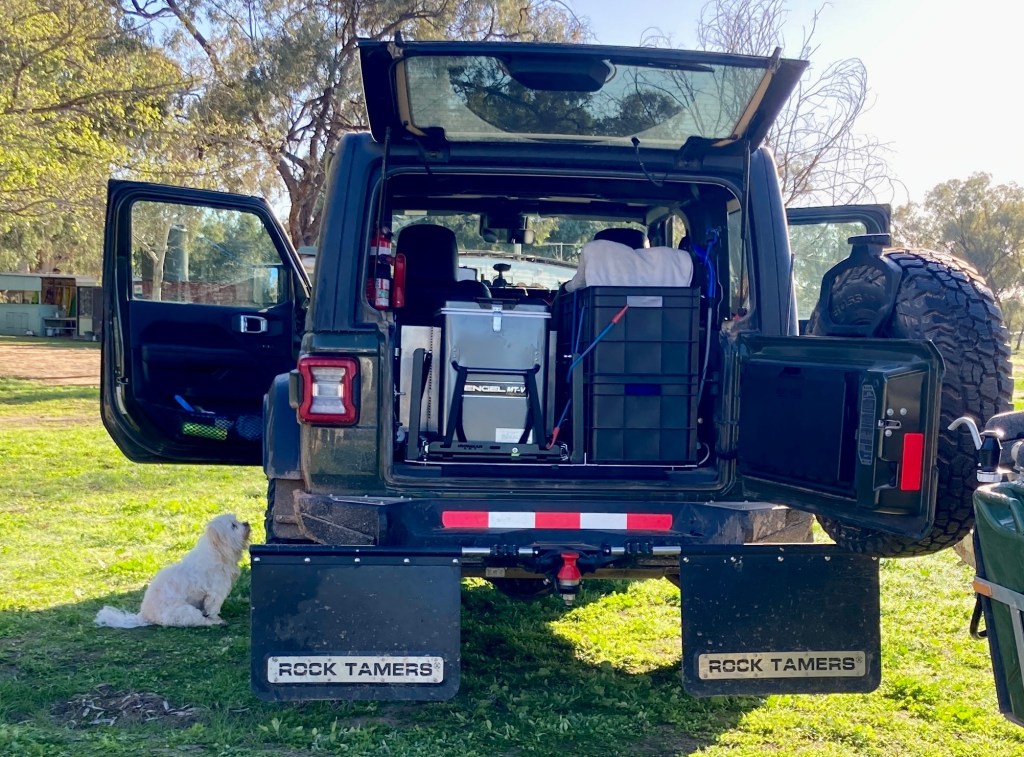
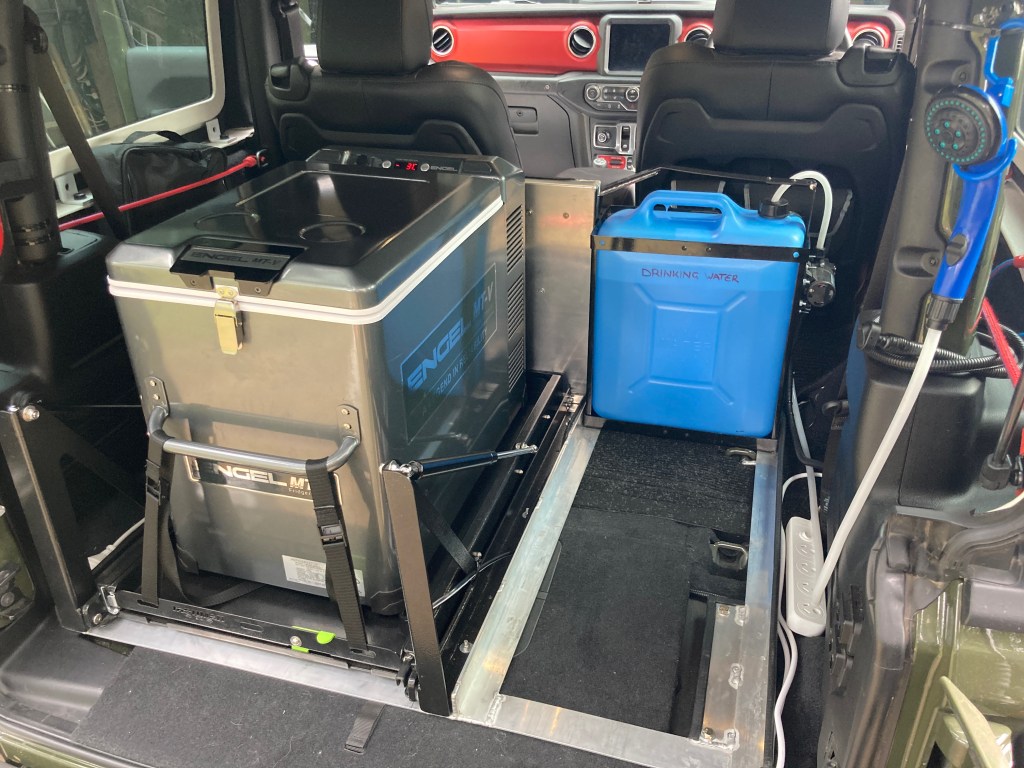
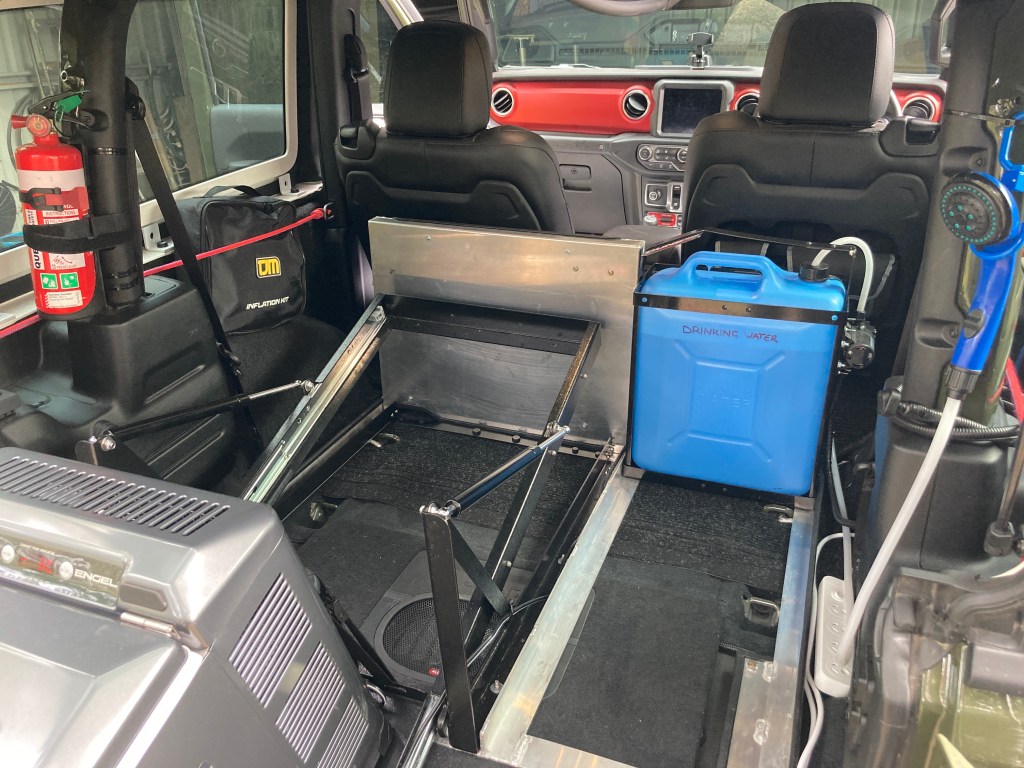
While the design has evolved over the past weeks of the build, it essentially needed to carry 1. refrigeration, 2. electrical systems, 3. water, and 4. stackable food and assorted items. All of this, in a very tight space. Since the Wrangler JL has a swinging tail-gate with a fold down tail-gate table, it made most sense to put the refrigerator on its slide on the left side and the electrical systems in front of it.

On the right side the drinking water would be stored as far forward as possible, and the food and assorted items stored in milk crates which are easily removable and stackable for access. Luckily the width of a Jerry Can is the same width as a milk crate so it was possible to use the same dimension for both.
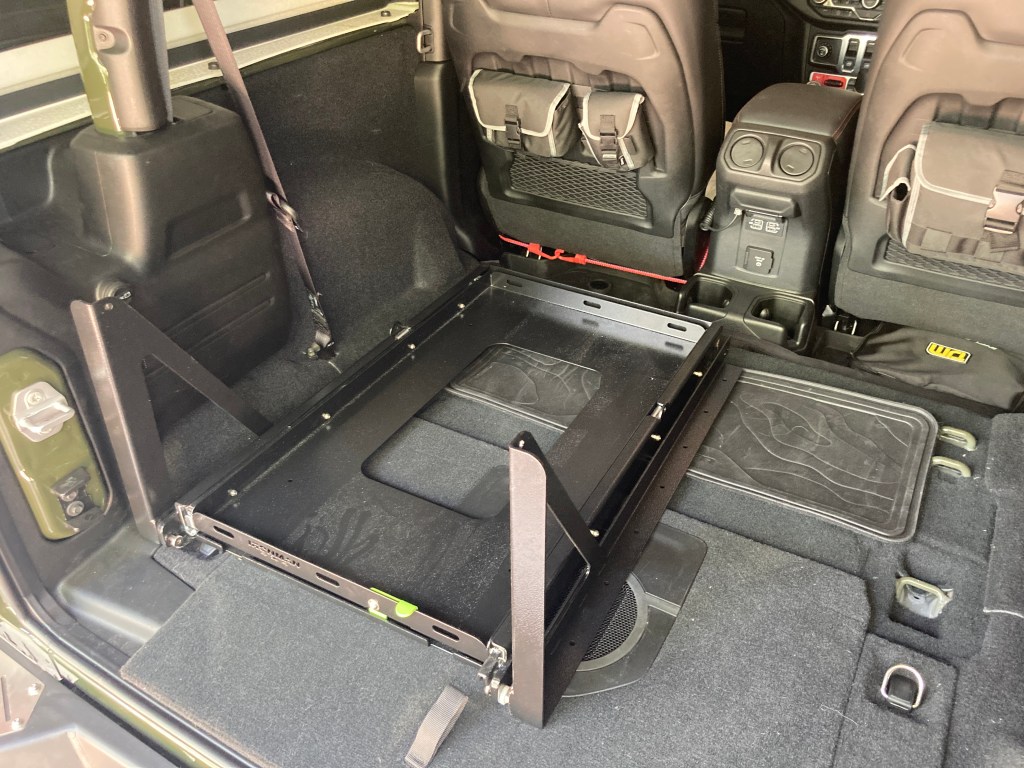
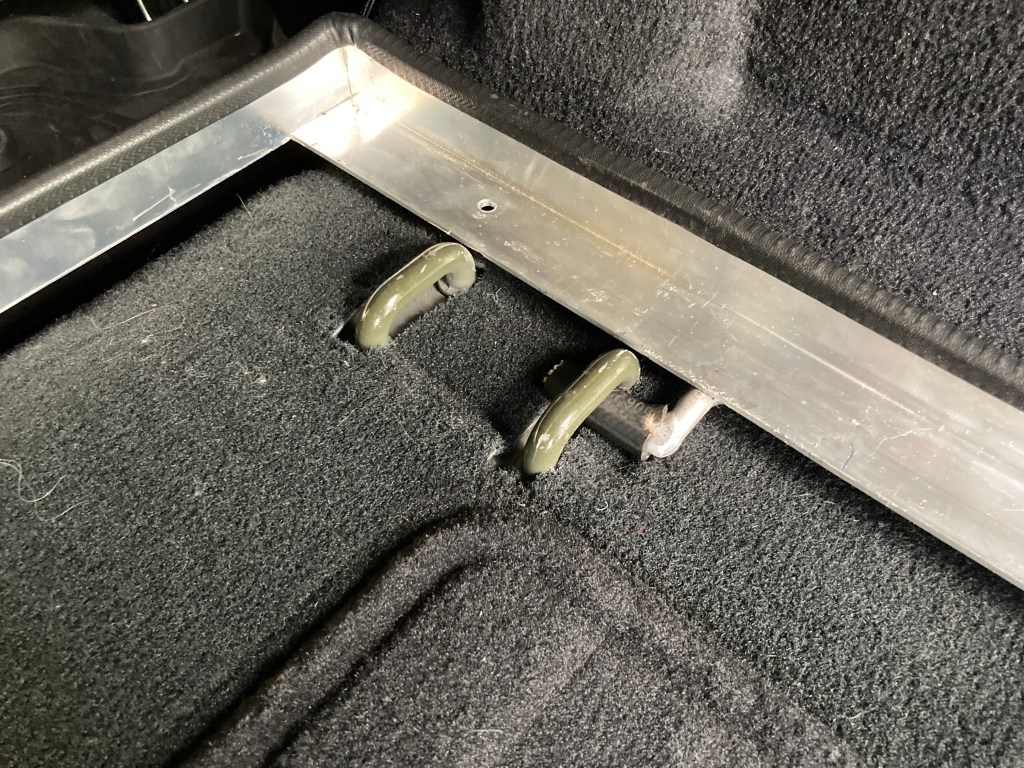
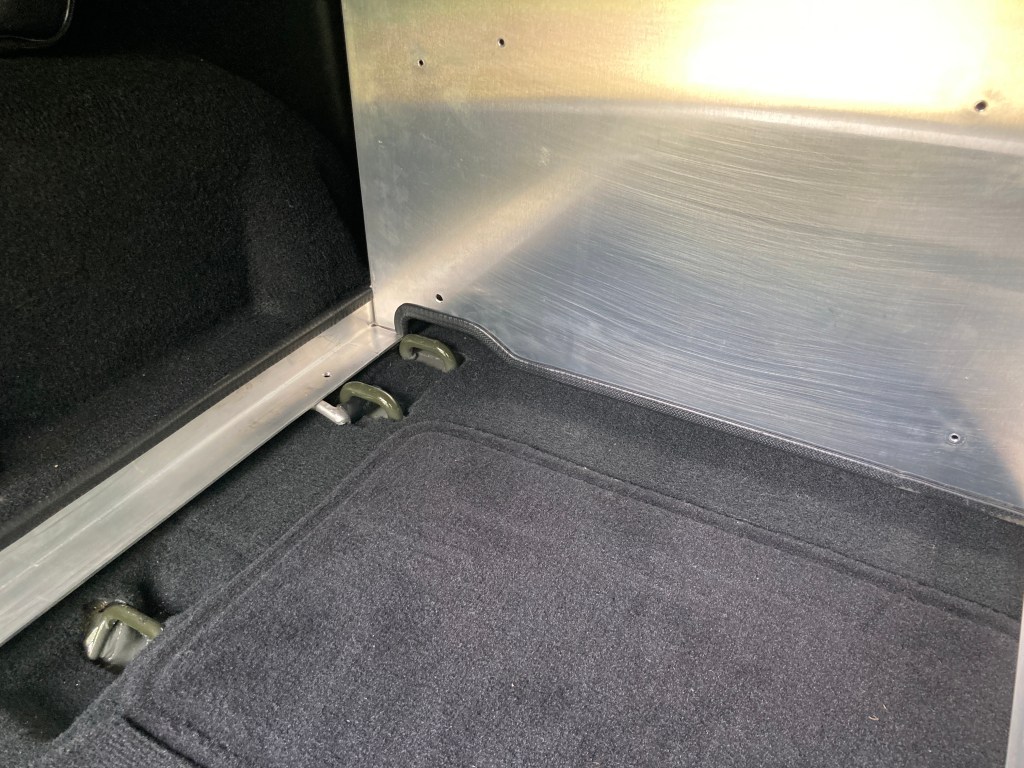
The Wrangler JL 2 Door has a number of tie down options. There are 4 integrated threaded nuts in the rear of the floor, which can be fitted with high-tensile bolts. But these rear bolt locations don’t control the front of the space effectively. Fortunately there are also strong loops in the forward floor, to mount the rear seat, which can be used to secure the load at the front.

Build Process

This was a custom build, so it was sensible to build in stages so that I could change things if the equipment rack didn’t perform as anticipated. The stages below were each separated by a shake down trip, and the improvements noted through use were incorporated into the following stage.

Stage 1 – Fridge Slide & Jerry Can (Water)

The first stage was securing the fridge and water in a Jerry Can. These two item could then be used to locate and tie down the other items
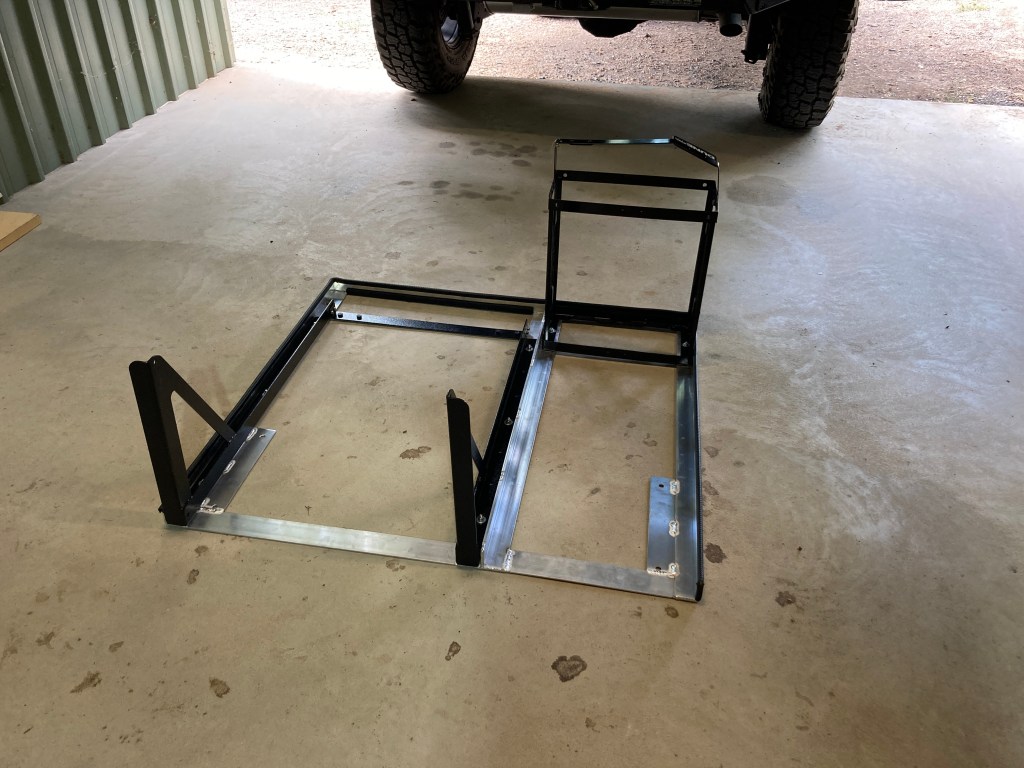
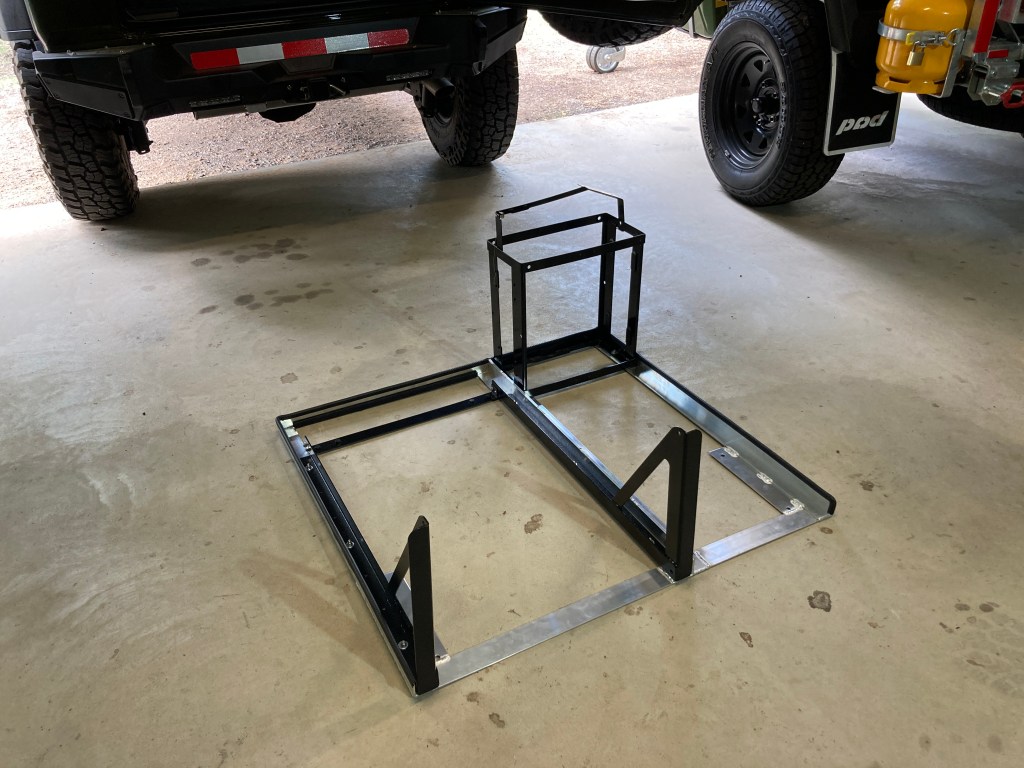
So this first stage worked well. I’d note that the tilting fridge slide was unnecessary, and a standard (non-tilting) slide would have been smaller, cheaper, and weigh less. I’ve also found that the tilt makes it difficult to store things in the fridge as when tilted things can’t be removed without the stacks of items in the fridge falling over.

I also found that the water in the Jerry Can was unusable, as the full Can is too heavy to remove for use, so it was necessary to use a water pump to deliver the water to the food preparation area at the rear of the vehicle.

Stage 2 – Electrical Panel & Water Pump

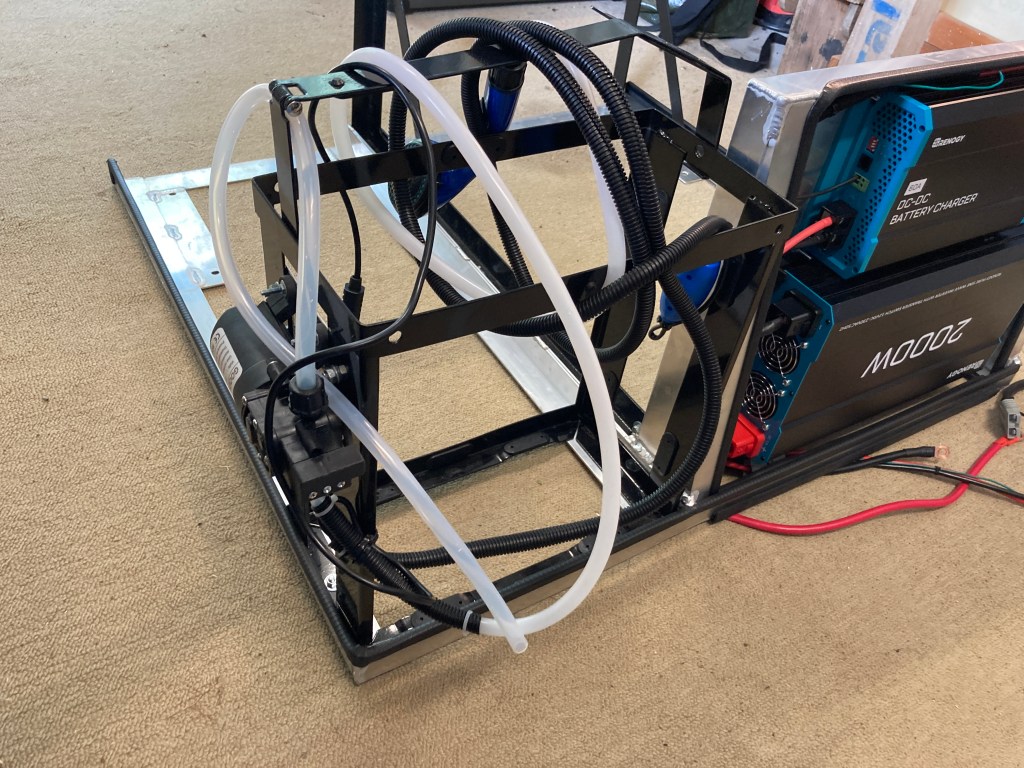
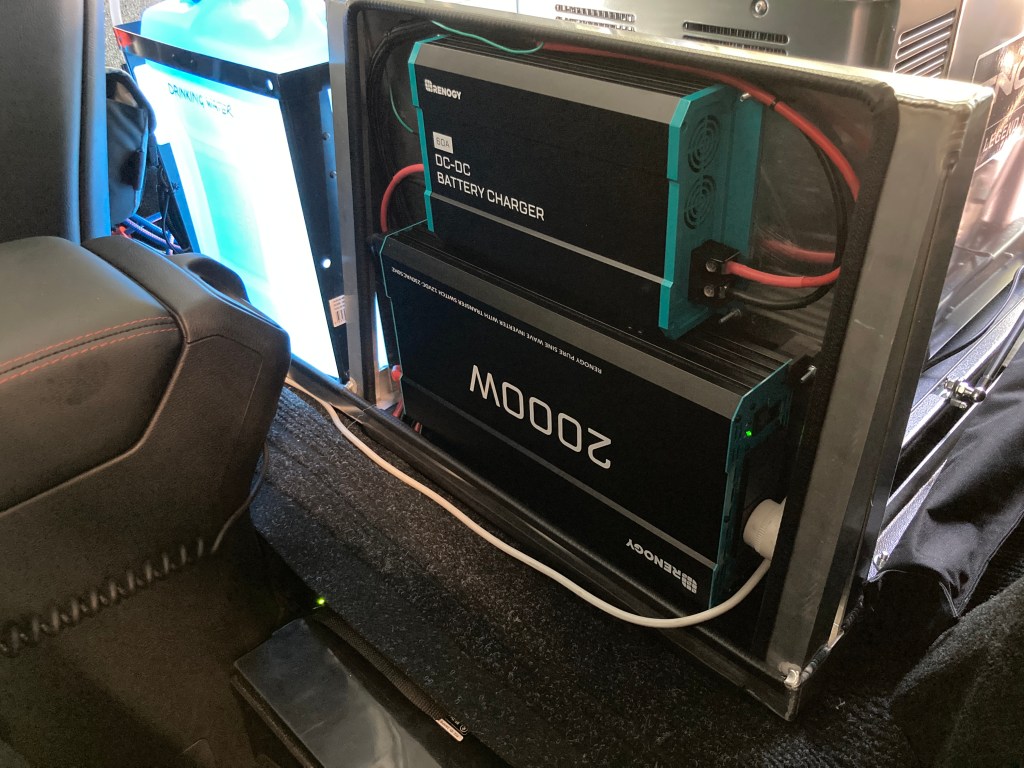
The next stage was to securely mount a Renogy 60A DC-DC charger along with a Renogy 240V 2kW inverter system into an electrical panel. The electrical panel was built onto the front of the fridge slide, and it helped to substantially strengthen and stabilise the equipment rack.

The battery charger 12V wiring is done with 6AWG cables and they do heat up during usage. The inverter 12V supply wiring is done with 0AWG cables.

Noting that the two Renogy Lithium 100Ah batteries are secured by pressing them between the front seats and the rear foot well. The end of the slide protrudes over the foot well too so the batteries are unable to move, yet they don’t require special mountings.

I attempted to use a Coleman Camp Shower to deliver the drinking water, but the submersible pump was too large to go into any available water grade Jerry Can. The answer was to cannibalise the Coleman Shower, used together with a 6 litre/min 12V pump, which works perfectly. The retention device in the cap has a hole exactly the diameter of the shower hose, so it can be inserted into the top of the Jerry Can with no leaks.
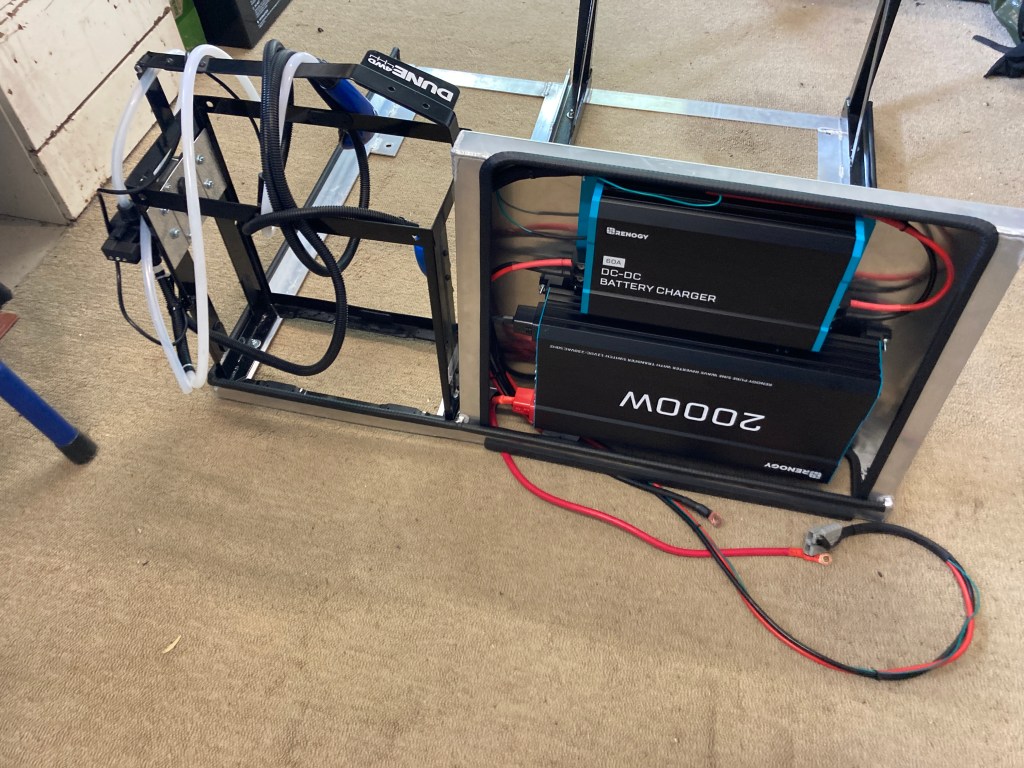
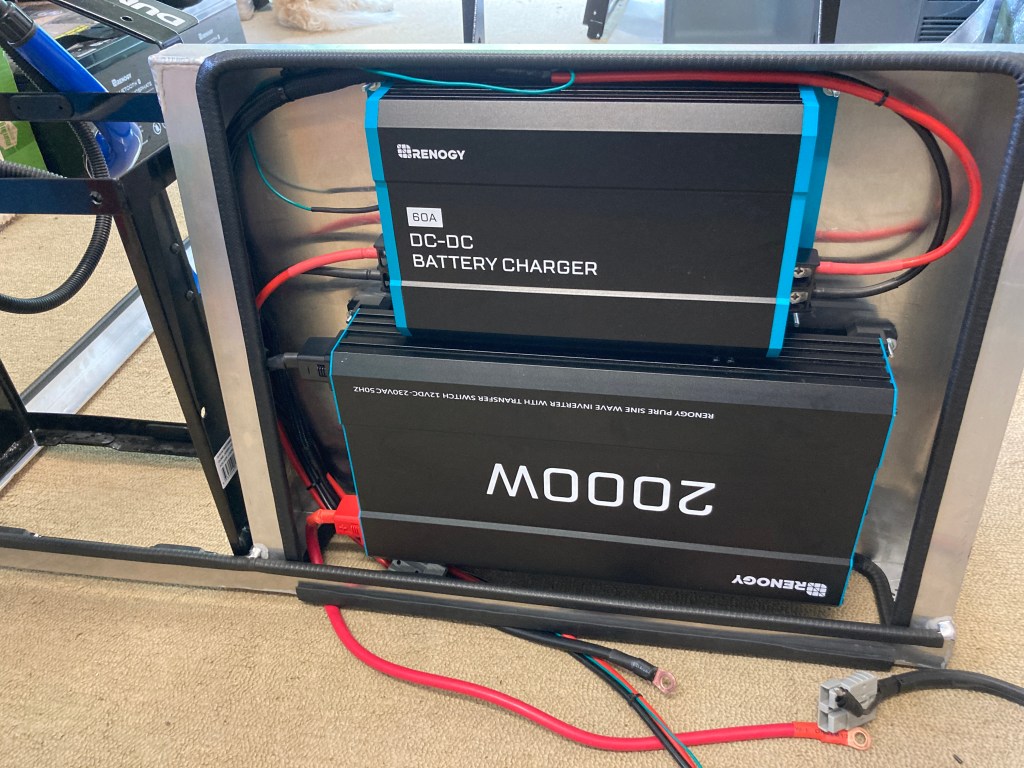
Following the second shake down all of the systems were proven to work as expected, so the final fitting and build could be completed.

Stage 3 – Final Fitting & Milk Crates

At this point the final build was to add hooks to the rack to insert into the seat loops at the front to retain the equipment rack in the event of a roll-over or other eventuality. Although the prior shake down showed that the equipment rack remains stable despite extensive horizontal and vertical shaking and even several airborne excursions.
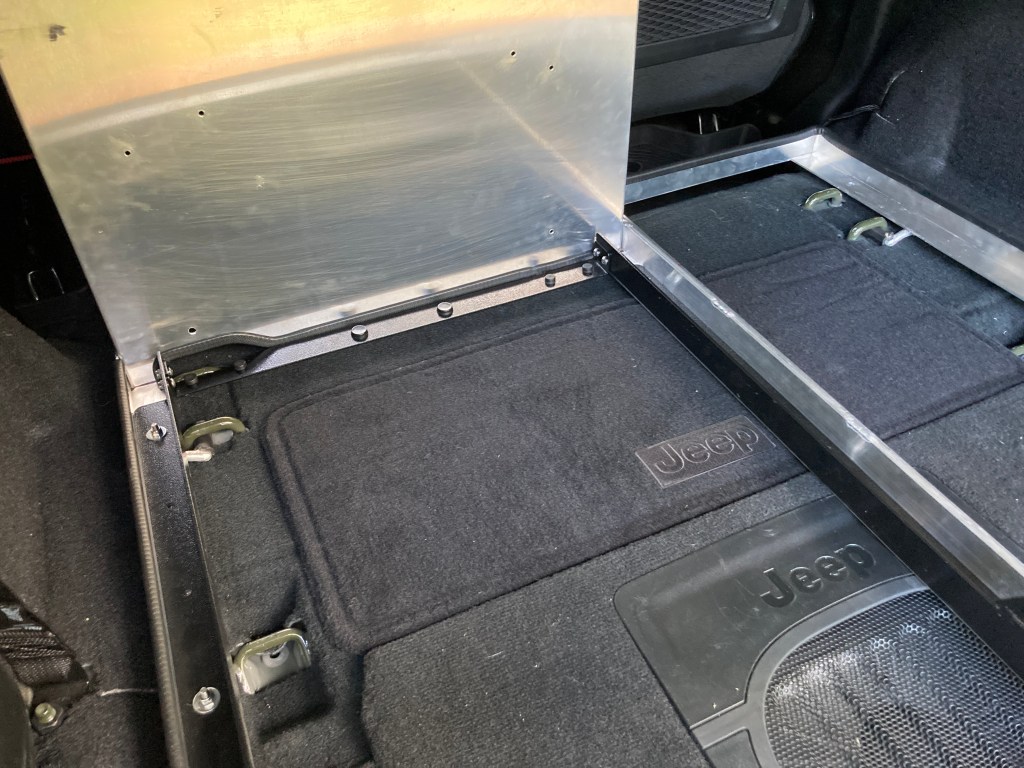
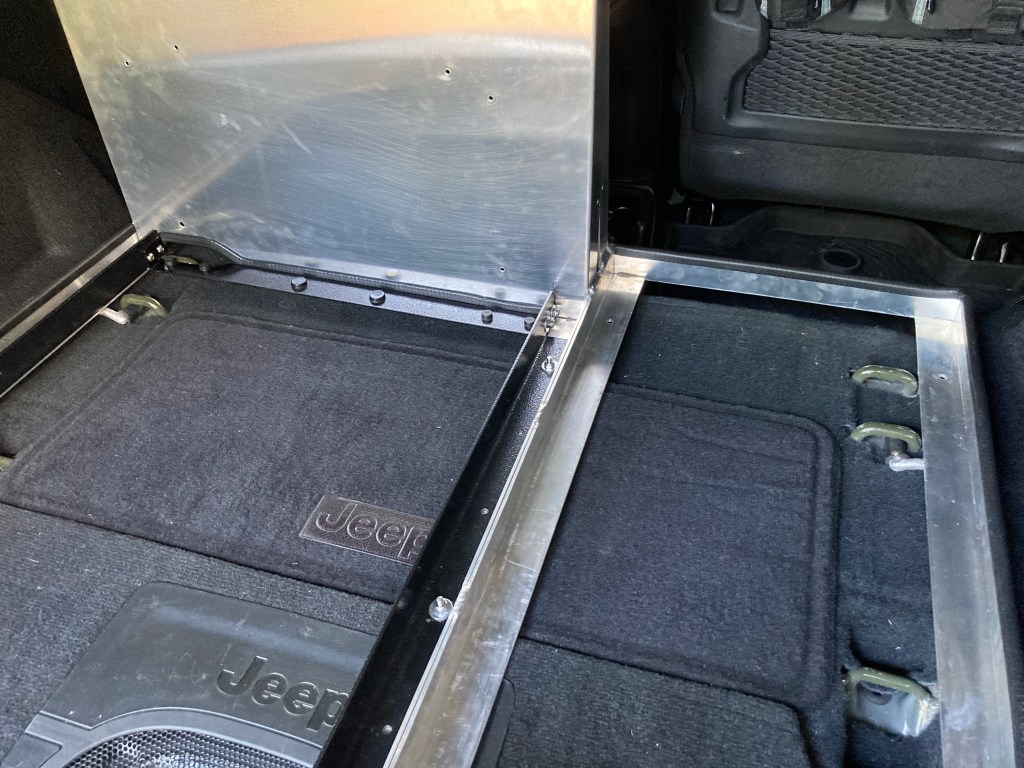
The frame is sized to allow two milk crates to be placed one behind another, with 20 litres of water, giving a total capacity of 4 crates below the window line of the vehicle. Where 40 litres of water is required for a passage, it will be necessary to stack up 3 crates, which will affect rear visibility but otherwise this is a useful option. As a maximum up to 6 crates can be stacked and restrained in the rear of the vehicle.
The System In Use

The initial usage in two shake down trips shows that the build has been successful. Water, power, and food are all easily reached and used to safely prepare meals.
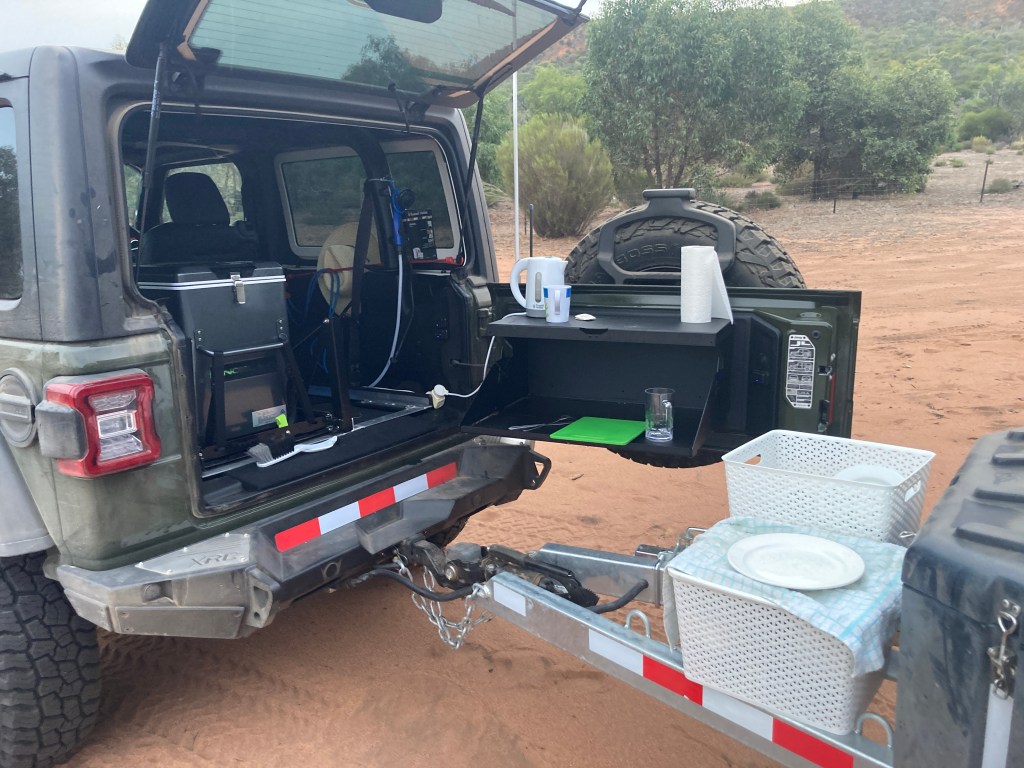
The trailer has furniture, gas cooker, and hot water systems which will allow longer base-camping to be done comfortably and conveniently, but the above overnight food preparation system is doing what it should.
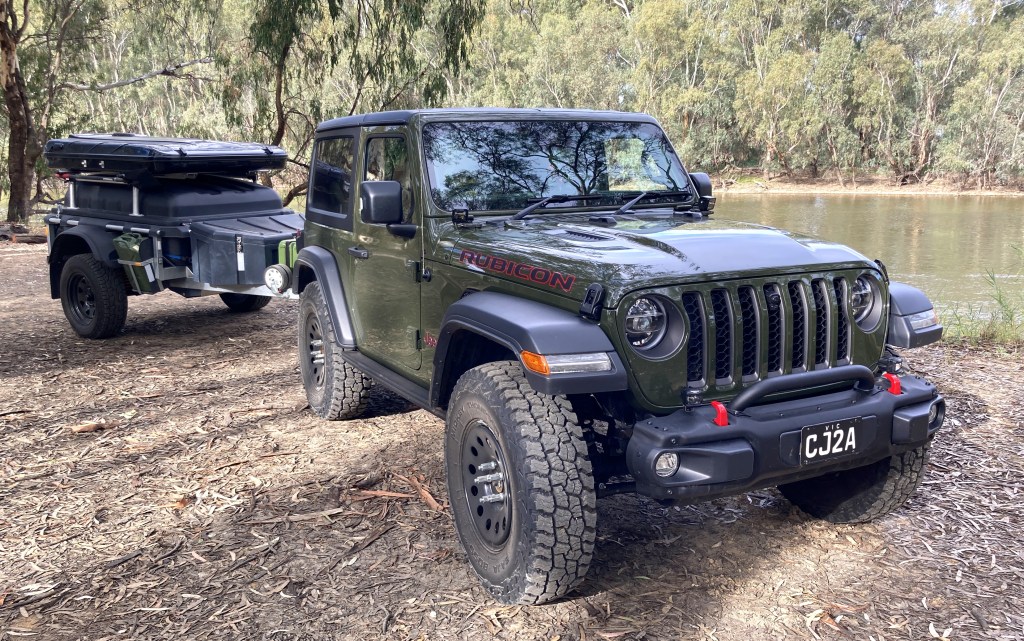
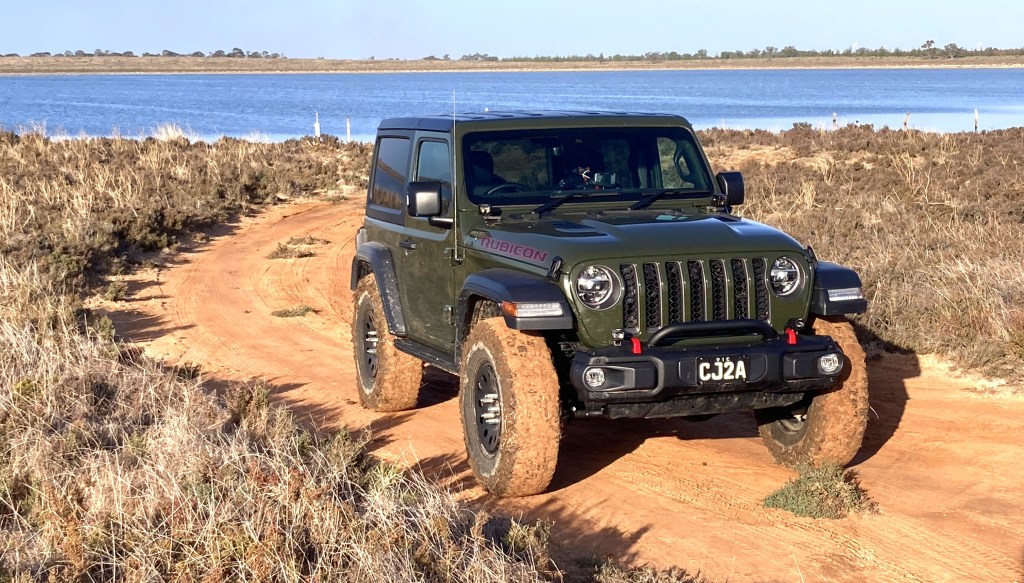
Wrangler JL Rubicon – Build Log

As mentioned in Curb Weight I’m using a 2023 Wrangler JL Rubicon 2 Door as my base vehicle. Without going into a lot of detail about its characteristics, it is probably the most capable off-road vehicle available off the showroom floor in Australia. So there isn’t much development required to get it prepared for overland expedition use. In fact many sources suggest that the majority of failure in overland vehicles comes from owner installed after-market options, so to minimise the expense and effort I’ll only be changing what is necessary.

At MJOC 4WD Proficiency Driver Training – August 2023
Big Dune, Big Desert State Forest – September 2023
Easter Jeep Muster, Pyrenees – April 2024

Reverting Australian “Nerfs”

To comply with Australian regulations Jeep have made a few Nerfs to the specification for the Rubicon. These include fitting “low-rider” front guards, and most importantly fitting very small tires (equivalent to those delivered on the Sport and Sahara models). There are a few other shortcuts that need to be remedied too.

Tire Nerf

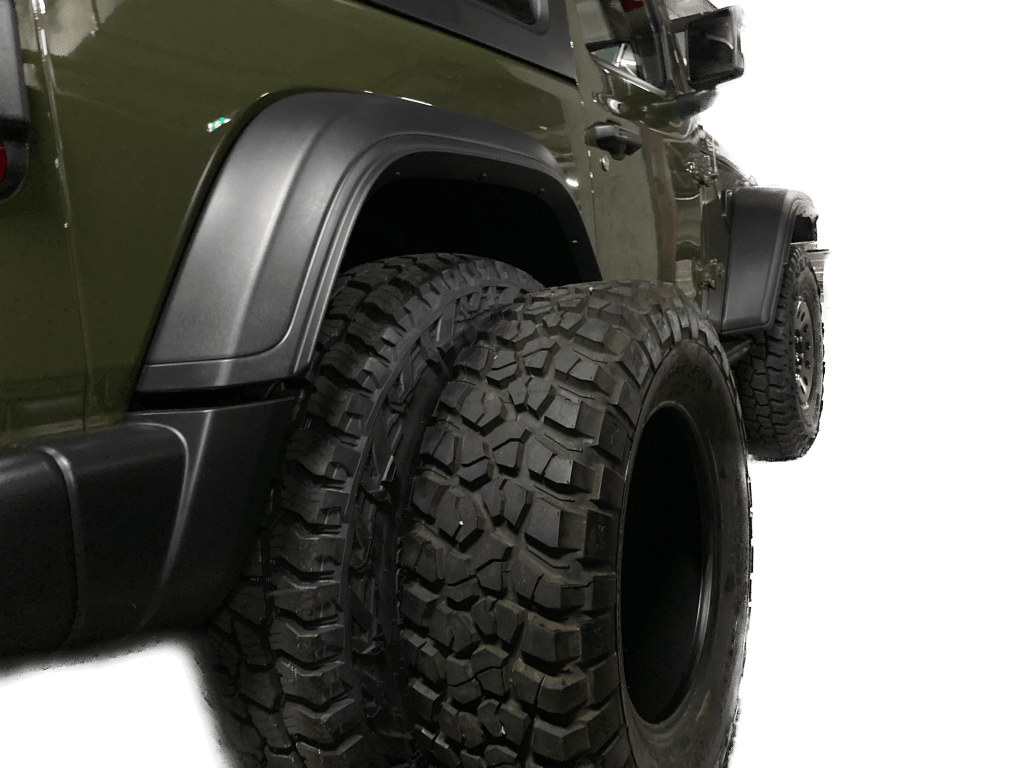
The Wrangler JL was developed to support 35″ tires in the Rubicon X model, and is delivered in the USA with 33″ LT285/70R17 tires. Yet in Australia it is delivered with LT255/75R17 tires. This directly costs 25mm of ground clearance (under the differentials), and affects entry, exit, and break-over angles.

So we’ll specify a new tire closer to the USA Rubicon X OEM specification, but more appropriate for overlanding, with the following characteristics.

  • Rugged Terrain (All Terrain) tire
  • Light Truck (LT) load specification
  • 3 ply side wall
  • 3PMS Severe Weather Rating
  • 2:1 tire to wheel diameter ratio
  • Not wider than 10″ (255mm) – minimise mud throw – reduce rolling resistance – not attract Police attention
  • Reputable manufacturer

Based on the above specification the best (and only) option is the Mickey Thompson Baja Boss A/T in LT255/85R17. Since the diameter of these tires is just under 35 inches (they are also specified as 35×10.0R17LT), it is likely that the OEM suspension on the Rubicon will need extended bump stops to prevent rubbing on the “low-rider” front guards. Fortunately Teraflex produces a bump-stop extension kit which reduces the upward travel by just over 1″, which is enough to prevent rubbing.

As an option, the Kenda Klever R/T KR601 is available in 35×10.5R17LT and also qualifies based on my above requirements. The 35×10.5R17LT size is slightly larger than the LT255/85R17, being a true 35″ tire, and would therefore provide greater ground clearance.

The tires are mounted on Mopar Winter Wheels from the Wrangler JK range, supplied on special order from Jeep Australia. These wheels are the same width and offset as the originals, but protect the valve stem much more and seem more robust than the alloys supplied as standard. The Winter Wheels will fit all the Wrangler JL trims, but not the JT as the Gladiator rear disk rotors are too large to fit inside the wheel.

Steering Damper Nerf

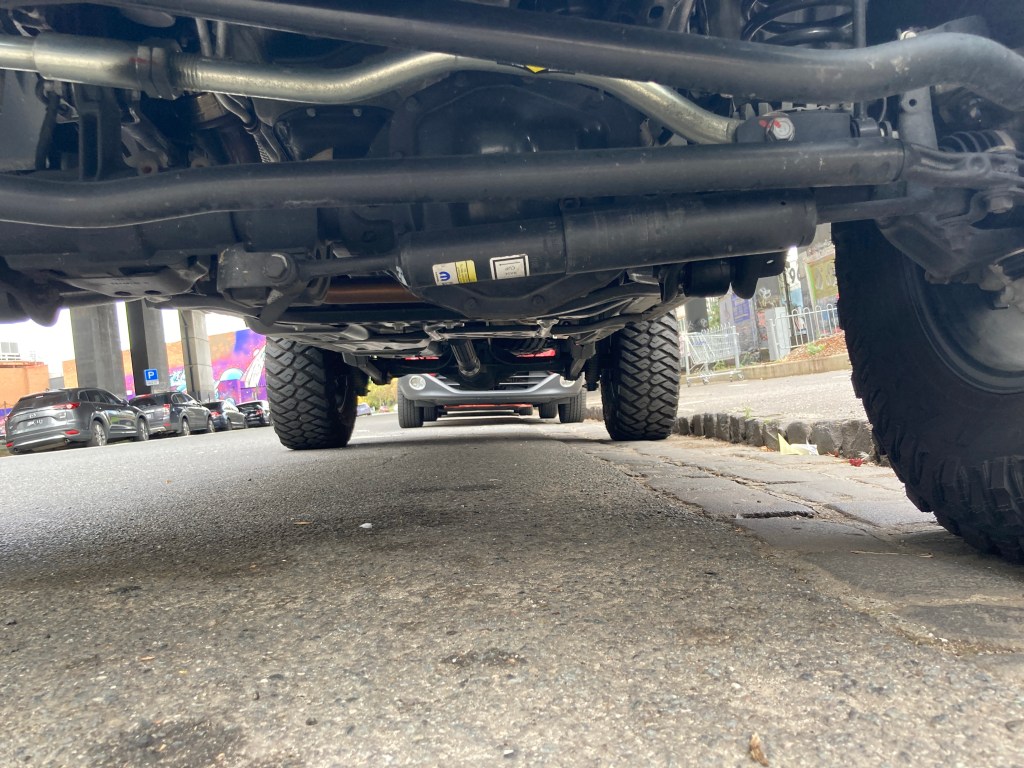
When converting the Wrangler JL to Right Hand Drive Jeep placed the steering damper under the track bar (panhard rod), causing it to be a full 50mm under the lowest point of the suspension. Owners who take their Wranglers off-road always damage the steering damper and it can get hooked up on the large attachment point hanging under the front axle.

Australian OEM steering damper location.

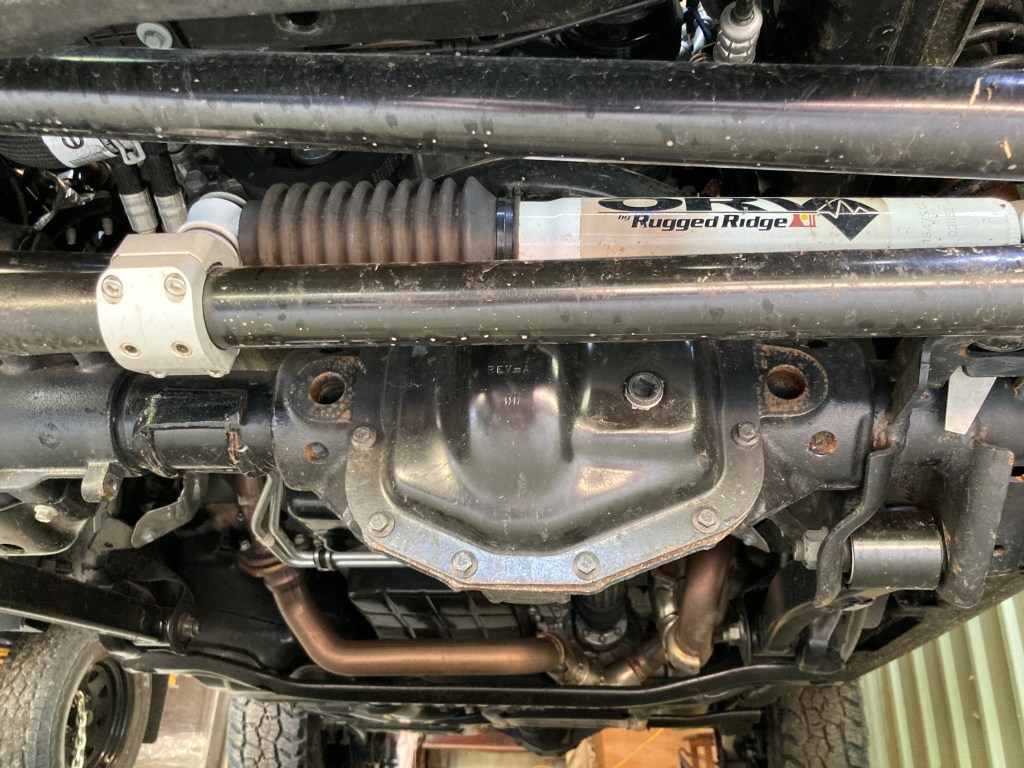
The recommendation is to use a Teraflex steering damper relocation kit to move the damper above the drag link and out of the way of harm. Together with the relocation kit it is necessary to add an aftermarket steering damper. The brand doesn’t matter too much but for the record, I used an ORV Rugged Ridge steering damper originally for a JK Wrangler.

Relocated steering damper, with “clubfoot” removed.

After relocating the steering damper, the large mounting point hanging under the axle can be cut off with an angle grinder / cutter. With a fairly neat set of cuts about 2kg of metal comes off the front axle which improves ground clearance and helps with reducing unsprung weight.

Rubicon Caster Reset

The Wrangler JL Rubicon is lifted by over 1″ over its sister models. This provides the space for larger tire sizes, but in doing the lift Jeep did not rework the control arms to retain the designed front wheel caster.

Specifically the JL Sport and many other cars use over 6 degrees of caster to stabilise the steering. Caster also has the positive side effect of improving cornering by increasing the steering angle of the tires. However, after the OEM JL Rubicon lift is fitted the resulting caster is only about 4.5 degrees.

Fortunately Mopar produces an extended front lower control arm which is 1/4″ (6mm) longer than the standard length lower control arm. This was produced as part of its Mopar 2″ lift kit. Fitting these extended lower control arms returns the front wheel caster to 5.5 degrees. This quietens the steering and makes the driving experience much more relaxed.

Suspension Improvements

Noted above are the extended front lower control arms and the extended bump stops, so the only additional improvement is the addition of heavy duty shock absorbers (dampers). The majority of protection required will be on corrugated roads, where the suspension travel is minimal and high frequency. This means that external reservoir dampers, which are designed for long travel situations (like a Baha race) are not the best solution. For the Australian outback I have selected to use the Ironman 4×4 Foam Cell Pro dampers. These dampers are the traditional robust twin-tube design (not pressurised), built with huge oil reserves and very solid (rebuildable) construction. It is also worth noting that they extend the axle droop by over 2″ over the standard dampers, as they are specified for a 2″ lift kit. The extended droop makes both axles more compliant to the terrain, and more than compensates for the reduction in upward travel through the extended bump stops.

As the ball weight of my trailer combined with the load of equipment will add about 260kg to the rear of the vehicle, it is necessary lift the rear when fully loaded and yet allow the full travel and comfort when the vehicle is used for rock crawling day trips. The ideal solution for this is to use Air Bag suspension assistance, which allows adjustable support up to 400kg. I’ve fitted AirBag Man Heavy Duty airbags and run them at 40 psi to 45 psi when towing and 5 psi when not.

Towing System

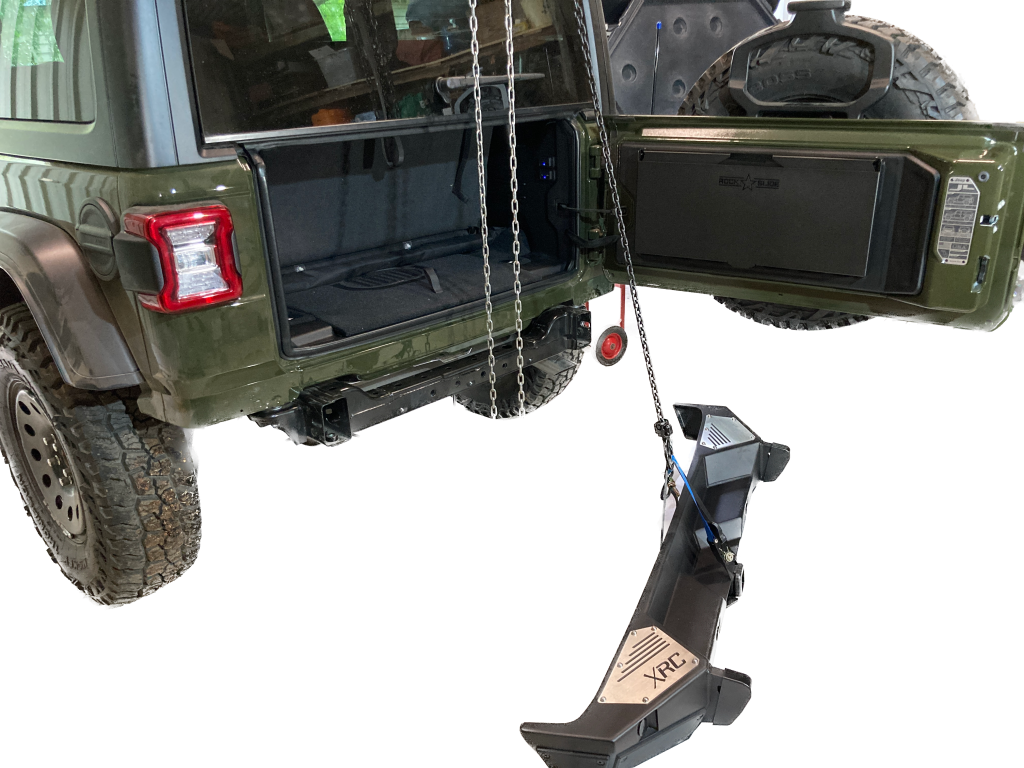
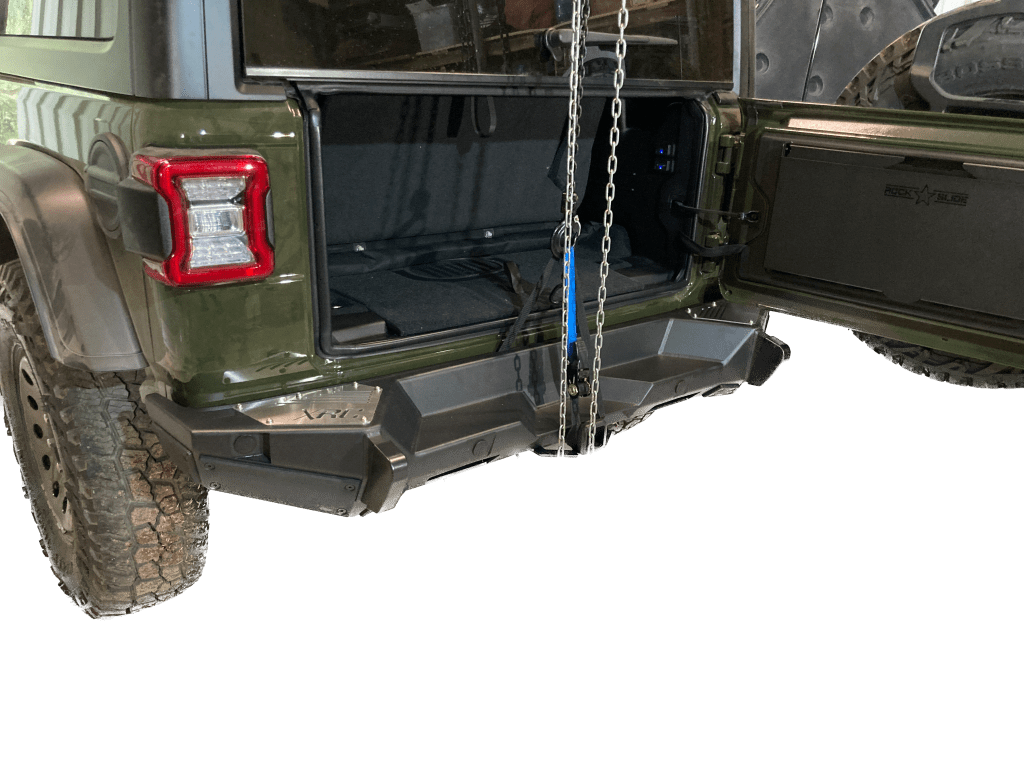
The Wrangler Rubicon has a very light weight plastic rear bumper bar. The OEM tow bar is fitted underneath the bumper on a chassis cross member with 4 high tensile steel bolts. The rear recovery hook is bolted to the chassis with 4 high tensile bolts.

To provide a solid towing and recovery platform the rear bumper and hook were removed and a Smittybilt XRC Gen 2 rear bar was fitted. This bar is bolted to the chassis with 12 high tensile steel bolts, 4 in the normal OEM tow bar location, and 4 at each chassis rail. The bar itself weighs over 48kg, and provides a Class 3 Receiver and two recovery and high lift jack points.

Removing the OEM rear bumper necessitates relocating the number plate. The relocation was done with a combination of the included Smittybilt product and an ARB number plate relocation kit.

Trailer wiring for Australian (APAC) vehicles is different to the American (NAFTA) solution. The NAFTA Jeeps do not have a separate brake and indicator system; their brake light is flashed as an indicator. So purchasing a NAFTA Trailer Wiring System is not going to work. The best solution is the purchase the Australian (APAC) Trailer Hitch kit (MOPAR Part Number LA82210162) directly from a dealer. The Australian Trailer Hitch kit includes a 2″ drop tongue, 50mm ball and Australian 7 Pin Flat Trailer Connector, as well as an OEM hitch point (which I have not used).

The international Trailer Brake Controller (MOPAR Part Number 82215652AD) kit works well with the Australian Trailer Hitch kit. The control knob fits nicely into the dash, replacing the 12V cigarette plug, and the ECU can be stuffed up into the space behind the panel in the passenger footwell.

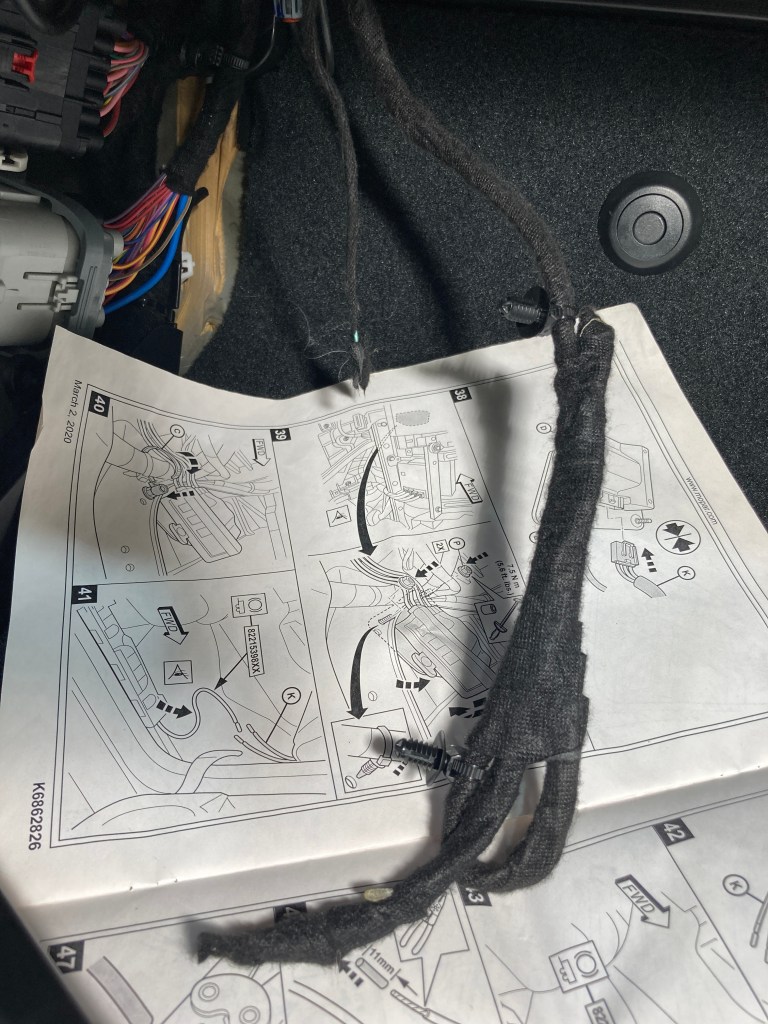
Fitting the Australian Hitch kit meant passing the trailer wiring INSIDE the vehicle (like the Quadratech video) not outside according to the instructions and routing the wiring through dash behind the ICE head unit and down into the LHS (passenger) footwell to mate with with the Trailer Brake Controller and its wiring.

The accessory wiring and Trailer Brake signal wire are both found in the LHS footwell. From the LHS footwell the power supply for trailer lighting and trailer brake can be (optionally joined to one supply and) passed through the firewall into the LHS front wheel well and so to the battery.

Accessory AUX connection & Trailer Brake Signal Wire found in LHS footwell.

Other Things Worth Mentioning

Cold Air Intake

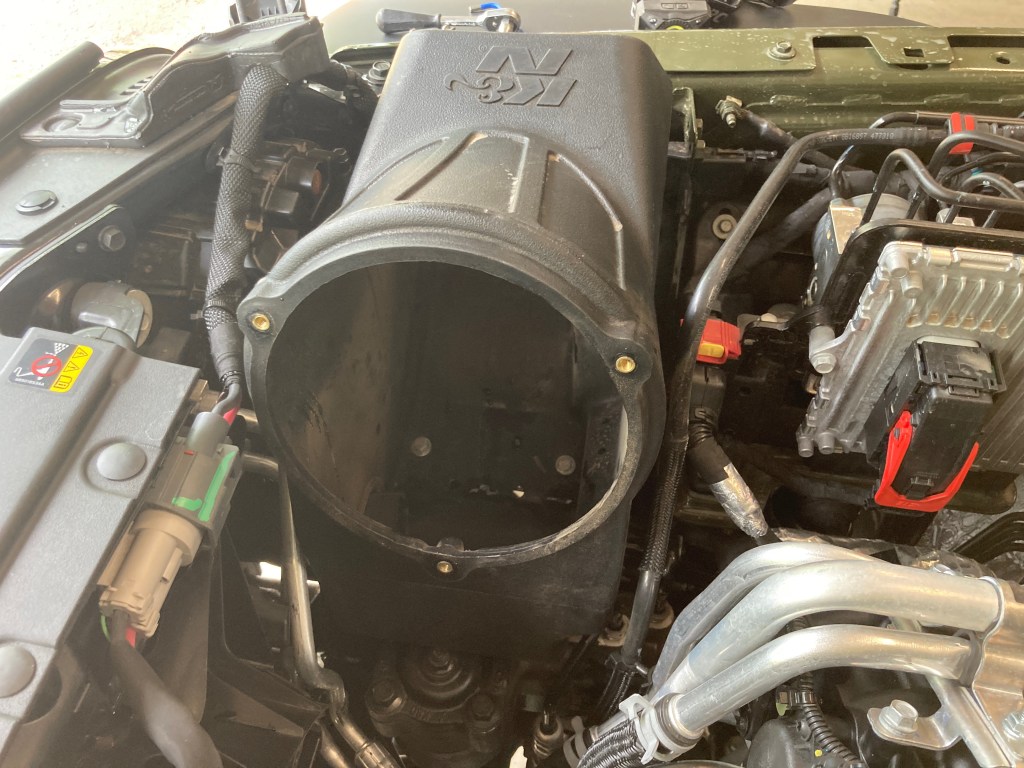
Added a K&N air box and filter kit, and integrated the OEM cold air intake into the bottom of the K&N air box by cutting off the curved end of the CAI and cutting a matching hole in the side of the K&N air box. As the K&N filter can be easily cleaned and renewed anywhere, it is ideal for use in dusty outback conditions.

Taser JL Tuner

A Taser JL Mini allows the tire size and many other settings to be done at any time. It also provides live info on the manifold vacuum and does light shows when needed.

Interior

I’ve added a GME UHF radio in the centre console, connected to a 6.6dB elevated feed spring mounted antenna on the tail-gate. There is a Teraflex tail-gate mount for both antenna and sand flag.

Upgraded the audio system’s front loud speakers with Terra Acoustics JL Sound Stage.

Fitted Rubicon 392 Gear Shift Paddles to steering wheel. Very useful off-road, for keeping both hands on the wheel.

Also on the tail-gate there is a Rockslide Engineering table, and some additional 12V connectors and USB connector power supplies.

ESS Battery Delete

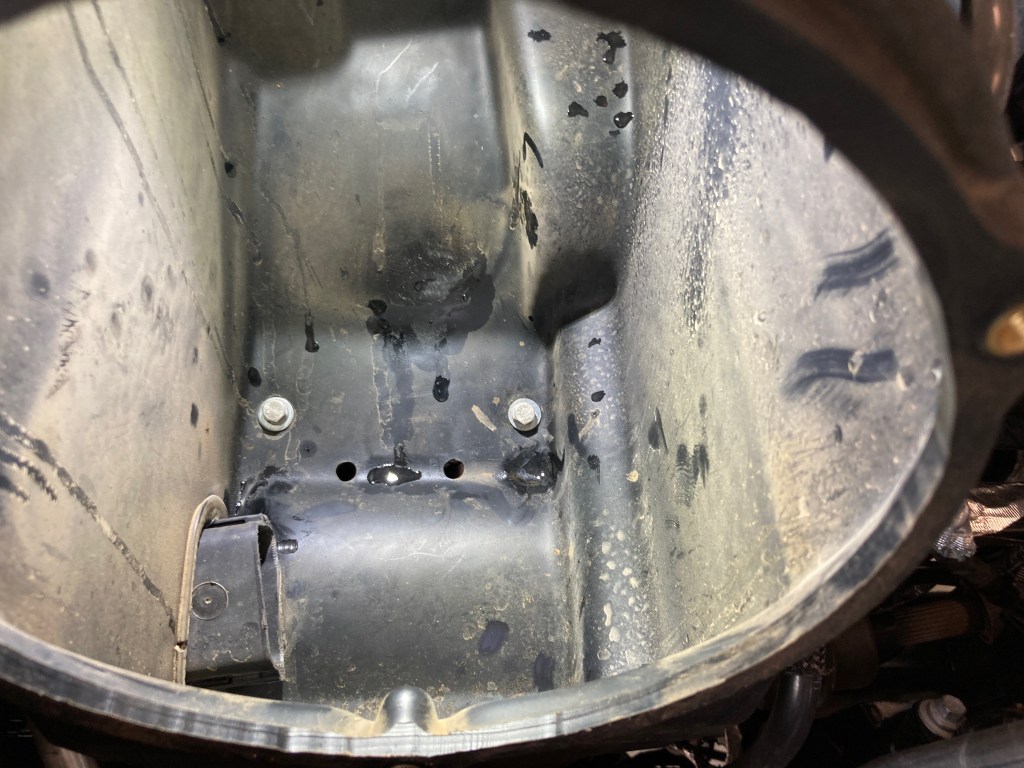
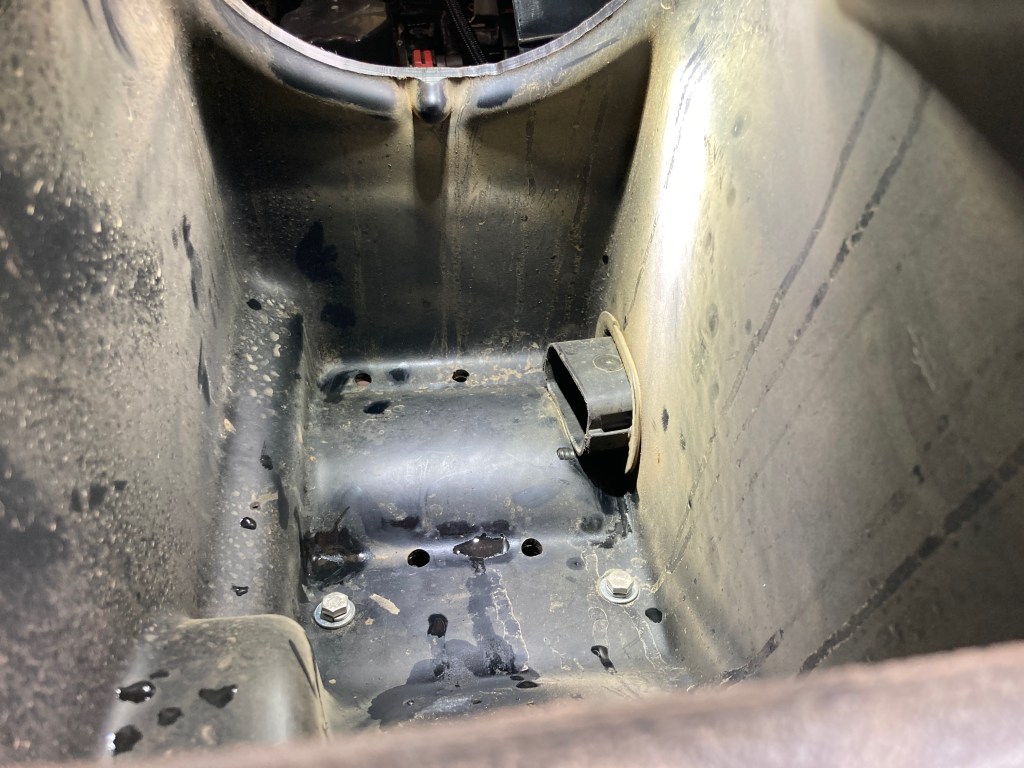
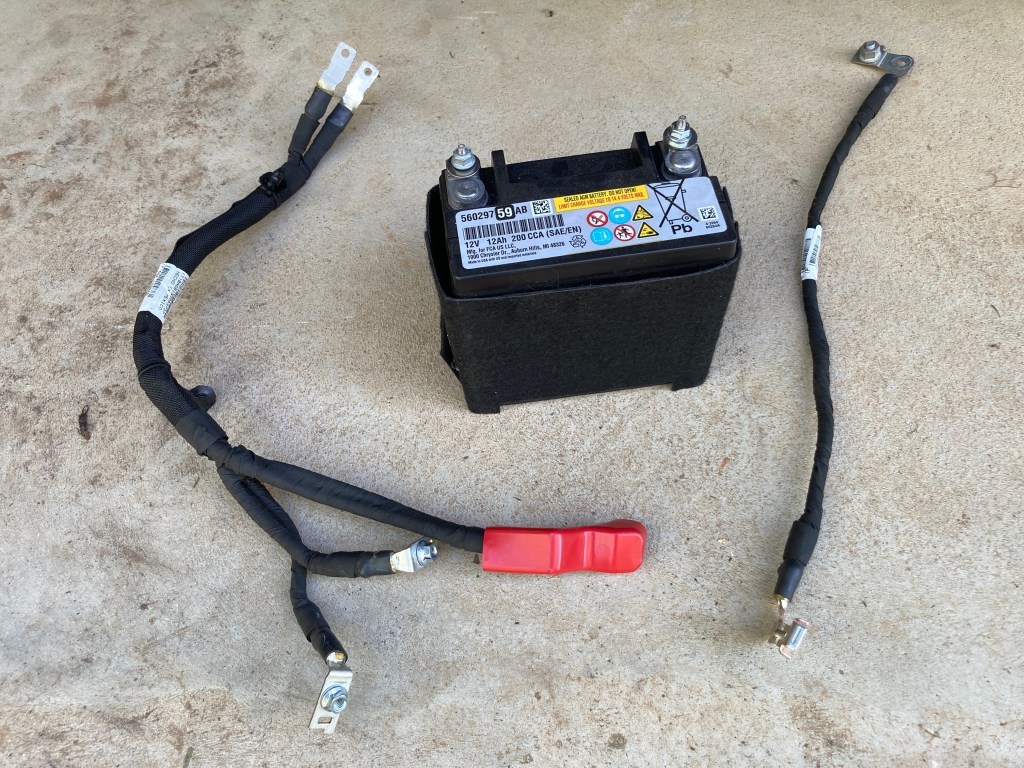
I’ve removed the small 12V ESS auxiliary battery (saving over 5kg), and all associated wiring, leaving just the disconnected PCR relay signal wires in place to ensure there are no ECU codes generated. Bridging N1 and N2 in the power distribution centre ensures that normal service for all power systems is retained, even the ESS function (although I keep ESS switched off).

Deleted ESS battery and associated wiring.

Air Compressor

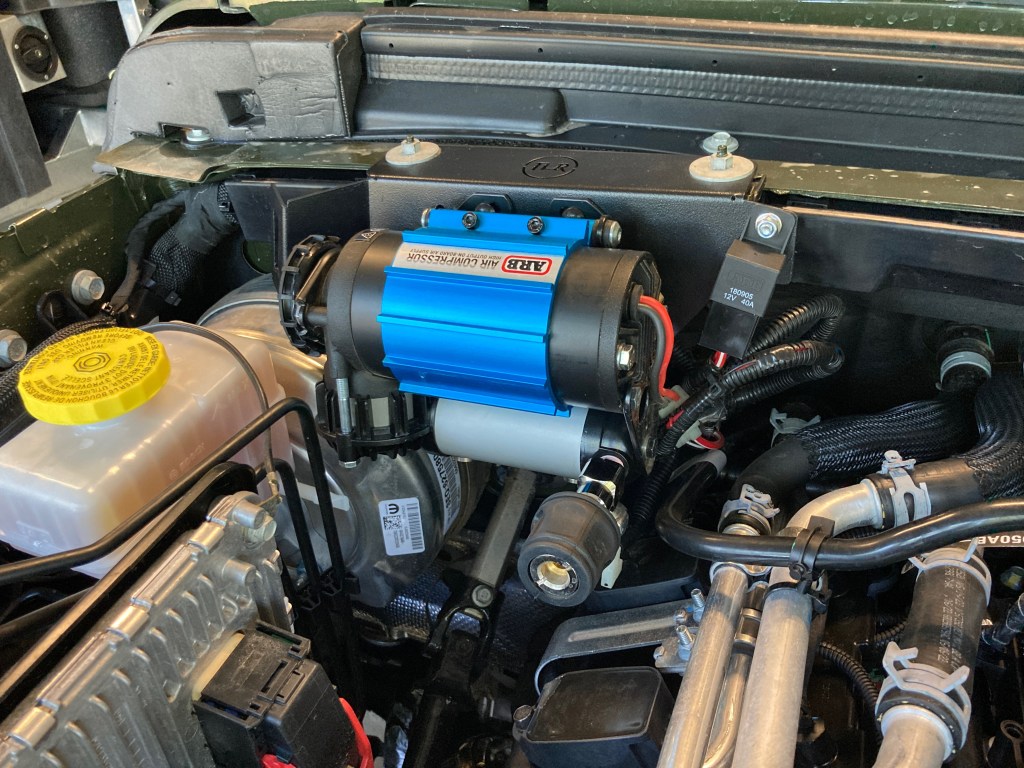
An ARB air compressor is fitted in the engine bay with a RHD specific mount from TLR.

ARB compressor on TLR mount specific to RHD JL/JT.

Front Lighting

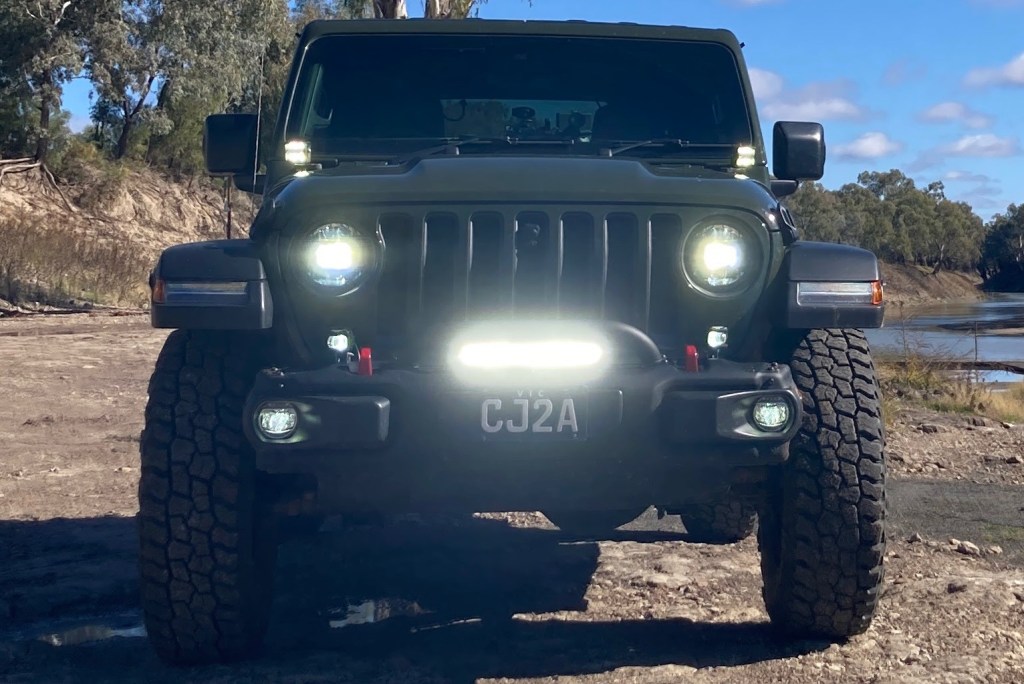
Added front lighting to; 1. Provide around corner trail and work cube lights to A-Pillar mounts. 2. Improve spread and range of fog lights with letter-box lights. And 3. Enhance high beam fill with a spot bar. Each of these light improvements are modest, and importantly being small they don’t block airflow to the engine or transmission radiators.

Exhaust System

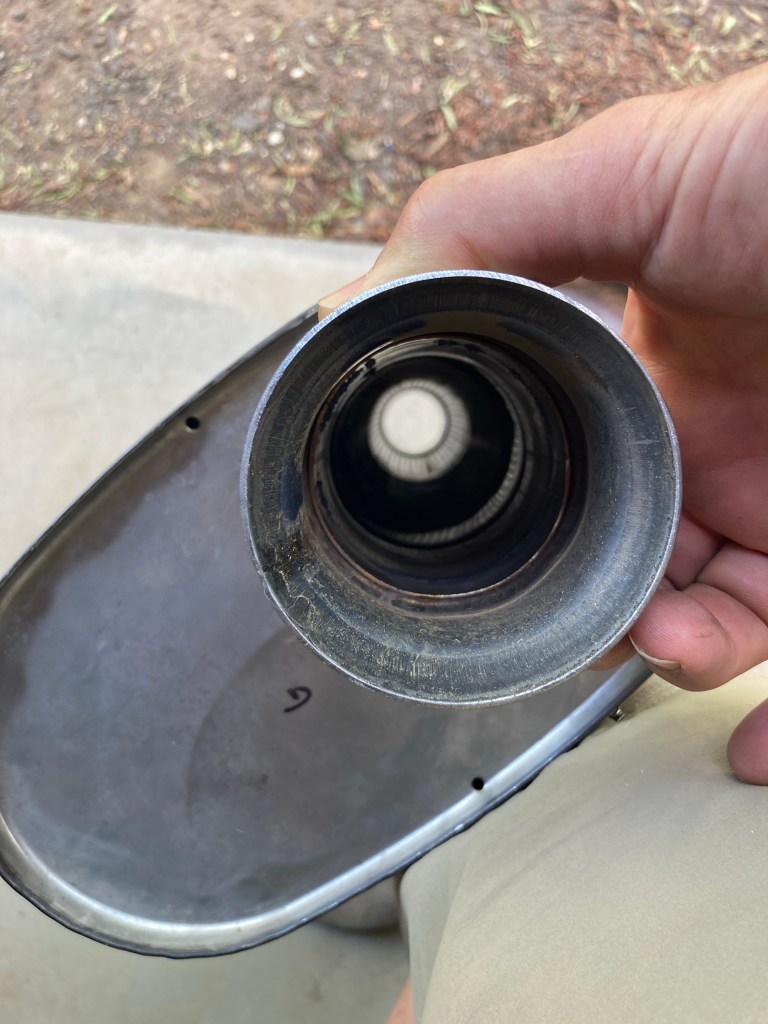
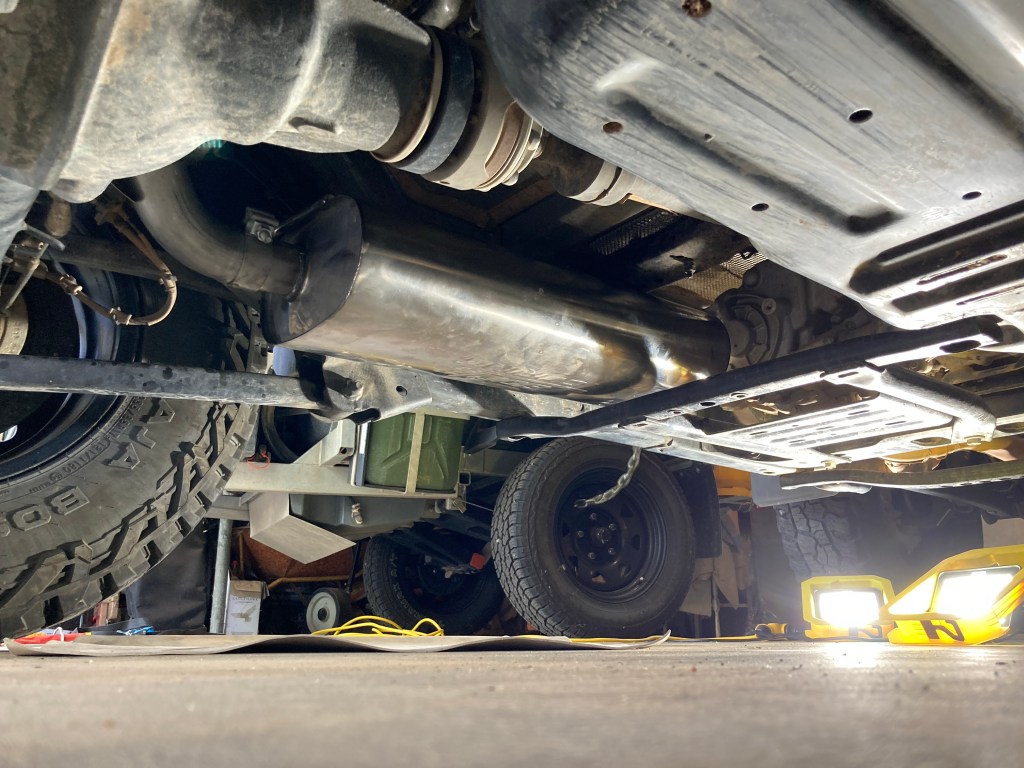
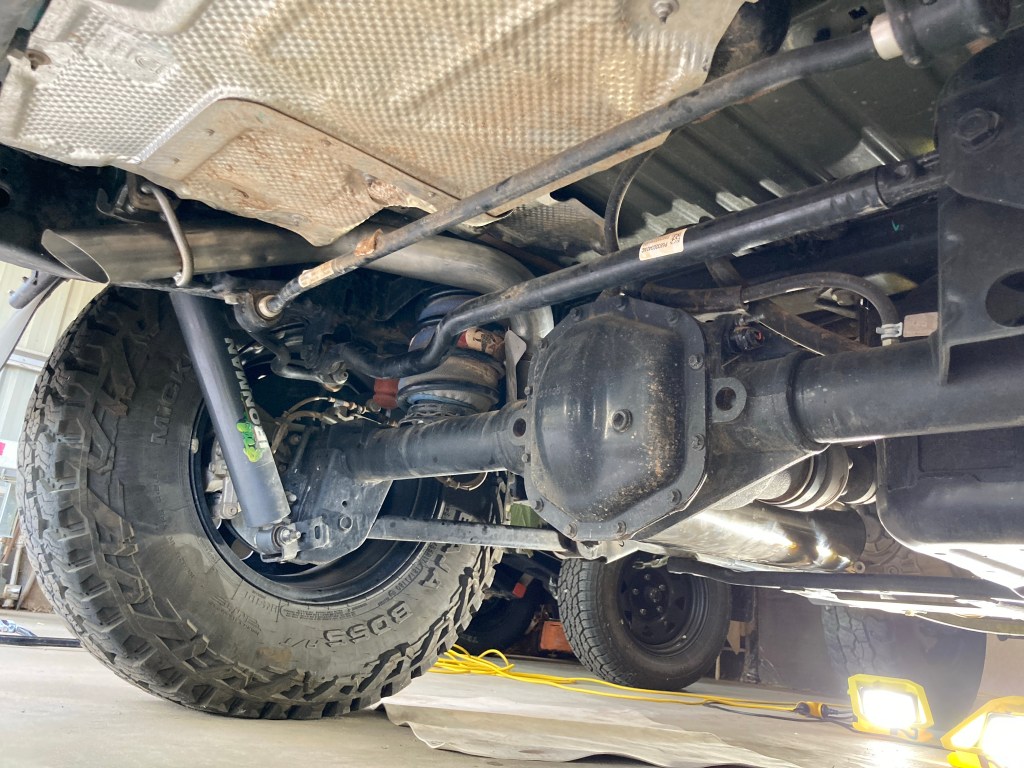
Added a Borla Climber exhaust in the Touring version. This exhaust moves the muffler forward of the rear axle to increase departure clearance (though the rear bumper still determines the ultimate departure angle). The Climber exhaust system is 7kg lighter than the OEM exhaust and moving all the muffler weight forward of the rear axle is a useful result.

Interestingly, fuel economy also seems to be substantially improved, probably because the straight-through Borla Climber muffler is reducing cylinder back pressure. On a standard journey (of known distance and speed), improvement by over 1.5l/100km was posted, off the OEM base economy of 12l/100km.

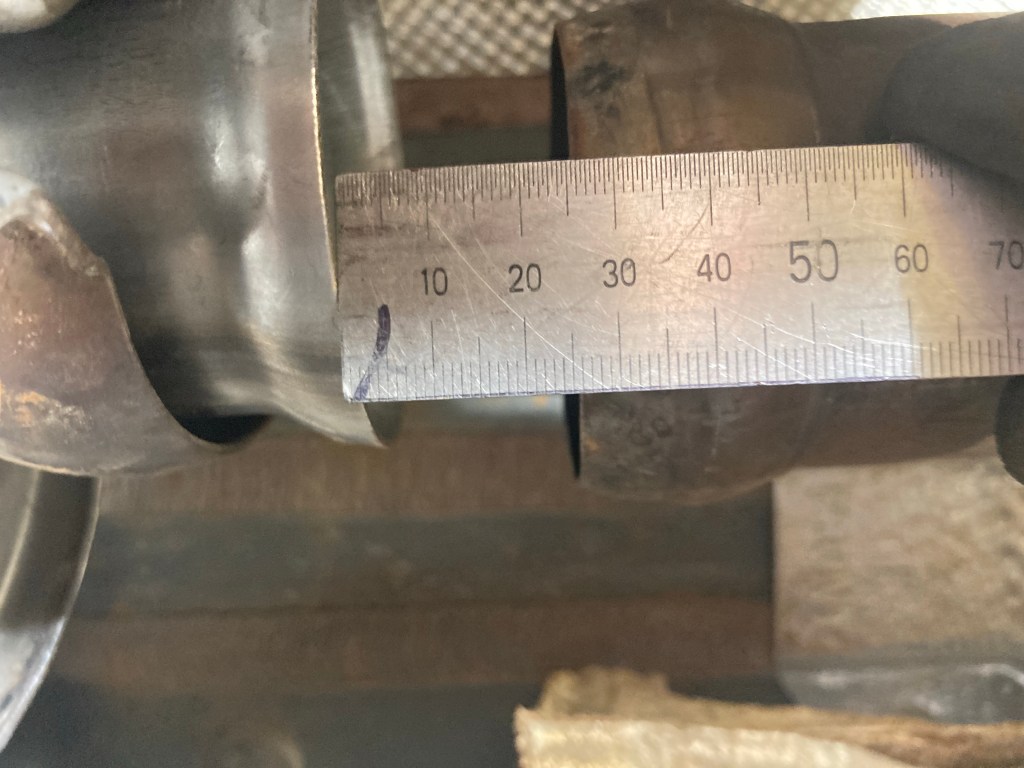
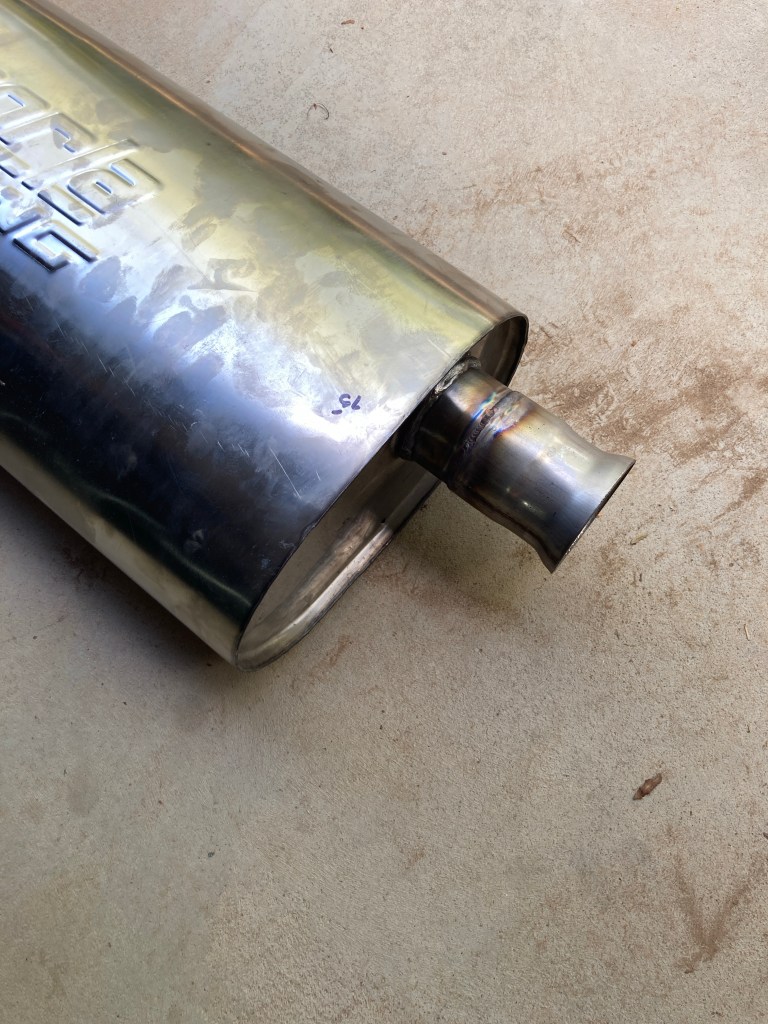
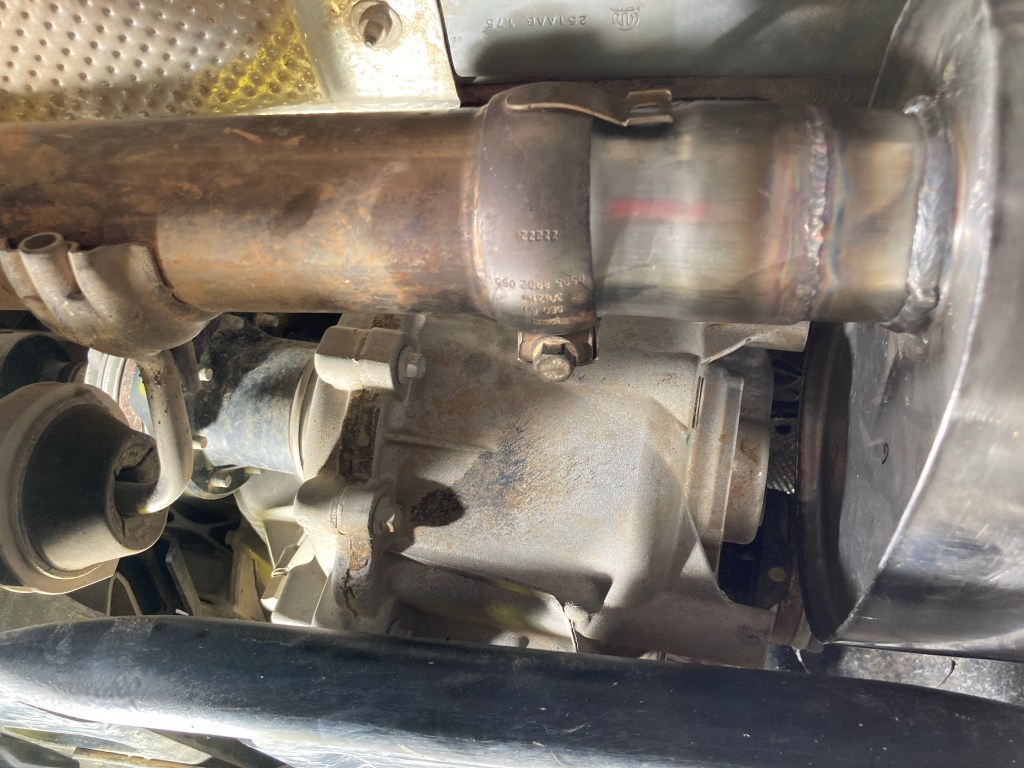
Unfortunately the 2DR version of the Borla system doesn’t fit the Rubicon RHD version precisely, and the muffler needed to be relocated 35mm to the rear to clear some protruding sections of the transfer case housing. This was done by extending the muffler front pipe and shortening the tailpipe flange, each by 35mm.

Regearing and TORSEN Differential

Recently, I’ve regeared the differentials to 4.88:1 which helps to run regularly in 8th gear when towing. Now 100km/h is set to 2,000 RPM in 8th, or 2,500 RPM in 7th if it is hilly. The overall lowest crawl ratio becomes 93:1, and this changes normal 20 deg plus hill ascents to 4th or 5th Low Range. This adds substantial flexibility in choice for climbing gears and crawling technical tracks.

Lastly, I’ve swapped the rear Jeep eLocker differential for a TORSEN differential. More in this post.

Karl (of Karl’s Diffs) did both TORSEN and regearing installations. Both installations had their quirks and took longer than expected, and so are best done by experts, like Karl.